Best Affordable EV Europe 2026: Under €35,000
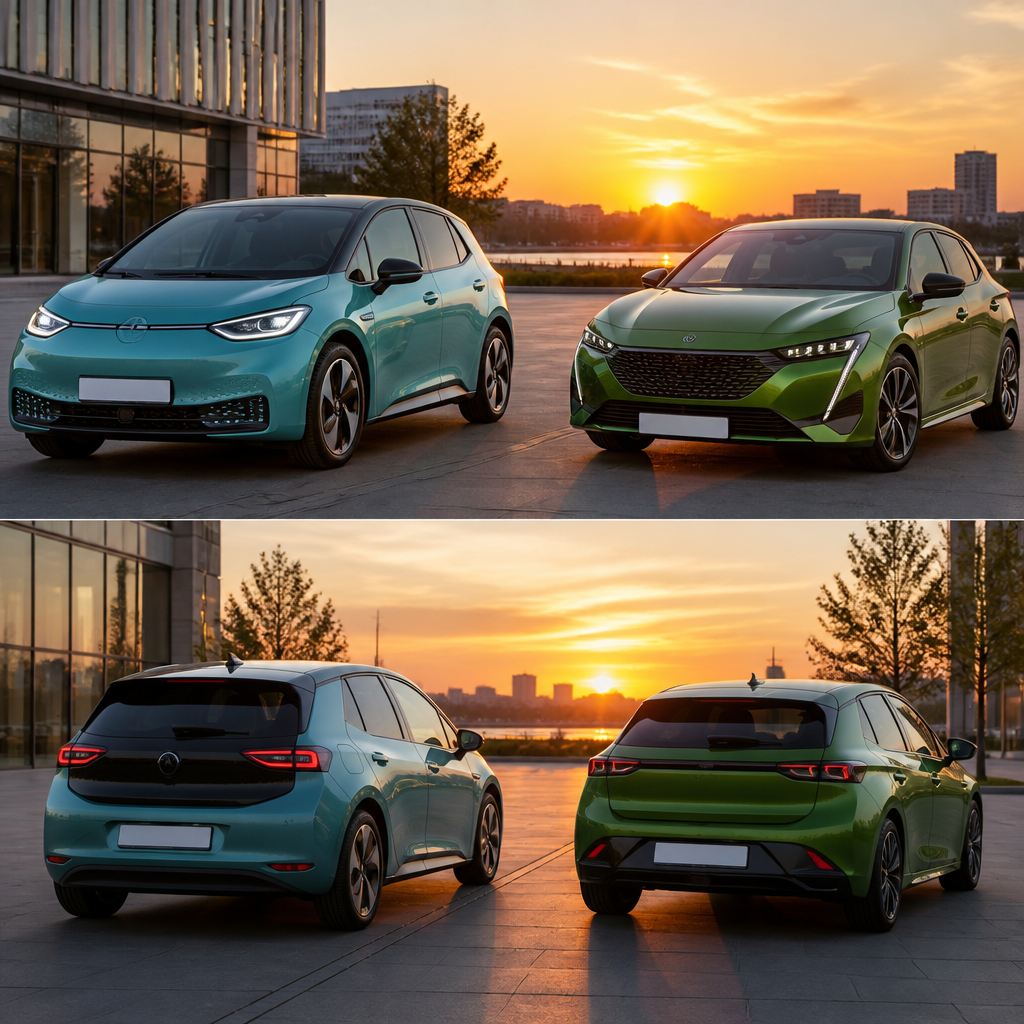
The sub-€35,000 electric hatchback segment in Europe is now genuinely competitive, and the differences between models matter a lot over five years of ownership but are hard to spot in a brochure. The best affordable EV Europe 2026 conversation keeps returning to the Volkswagen ID.3, the Peugeot e-308, and the Stellantis siblings that share engineering but not price tags. This guide lays out what the real-world data shows and which car suits which buyer.
Table of Contents
- Quick Takeaways
- Why €35,000 Is the Critical Threshold in 2026
- Volkswagen ID.3: The Benchmark Everyone Measures Against
- Peugeot e-308: The Premium Challenger at the Edge of the Budget
- Stellantis Siblings: Citroën ë-C4 and the Opel Astra Electric
- Side-by-Side Comparison: ID.3 vs e-308 vs Citroën ë-C4
- Real-World Range: What the WLTP Numbers Hide
- Total Cost of Ownership: Beyond the Sticker Price
- Which EV Is Right for Which Buyer
- Frequently Asked Questions
- References
Quick Takeaways
Key Insight
Explanation
VW ID.3 Pure offers the best entry price in the segment
The ID.3 Pure starts at around €36,900 in the EU, but trim and battery options can bring effective transaction prices closer to or just under the €35,000 mark with national incentive schemes applied.
Peugeot e-308 sits at the top edge of the budget
Priced from around €34,900 in Europe, the e-308 prioritises cabin quality and driving feel over outright range efficiency, making it a closer call for budget-conscious buyers.
Citroën ë-C4 undercuts both on price but compromises on range
Starting from around €31,900 in Germany with a 46.3 kWh usable battery, the ë-C4 delivers a real-world range closer to 285 km, which suits urban and suburban drivers rather than frequent long-haul users.
Real-world range is significantly lower than WLTP in cold weather
The ID.3 Pure's real combined range drops to roughly 275 km in cold conditions versus 380 km in mild weather. Factor this in before choosing the smallest battery option.
Platform sharing means overlapping specs but different driving characters
The Peugeot e-308, Citroën ë-C4, and Opel Astra Electric all use Stellantis architecture. Specs are similar on paper but cabin ergonomics, infotainment, and steering tuning differ noticeably in practice.
Depreciation varies more than buyers expect in this segment
EVs with stronger brand recognition and larger dealer networks tend to hold value better over three to five years. Running depreciation data through a comparison tool before signing a finance deal is worth the ten minutes it takes.
Charging speed matters more than battery size for real ownership
The ID.3 Pro supports up to 120-183 kW DC fast charging depending on trim, while the Citroën ë-C4 peaks at around 74-79 kW. On a long journey, that gap translates directly into longer stops.
Why €35,000 Is the Critical Threshold in 2026
Several EU member states tie their EV incentive programmes to a purchase price ceiling, and €35,000 is a recurring threshold in a number of national schemes. Buying just above it can mean losing a meaningful rebate, while buying just below it can drop the effective price considerably after support is applied.
Ranges above 300 km real-world, 100 kW-plus fast charging, and connected infotainment are now table stakes at this price point. The question is no longer whether an EV under €35,000 is viable, but which one suits your driving pattern and household.
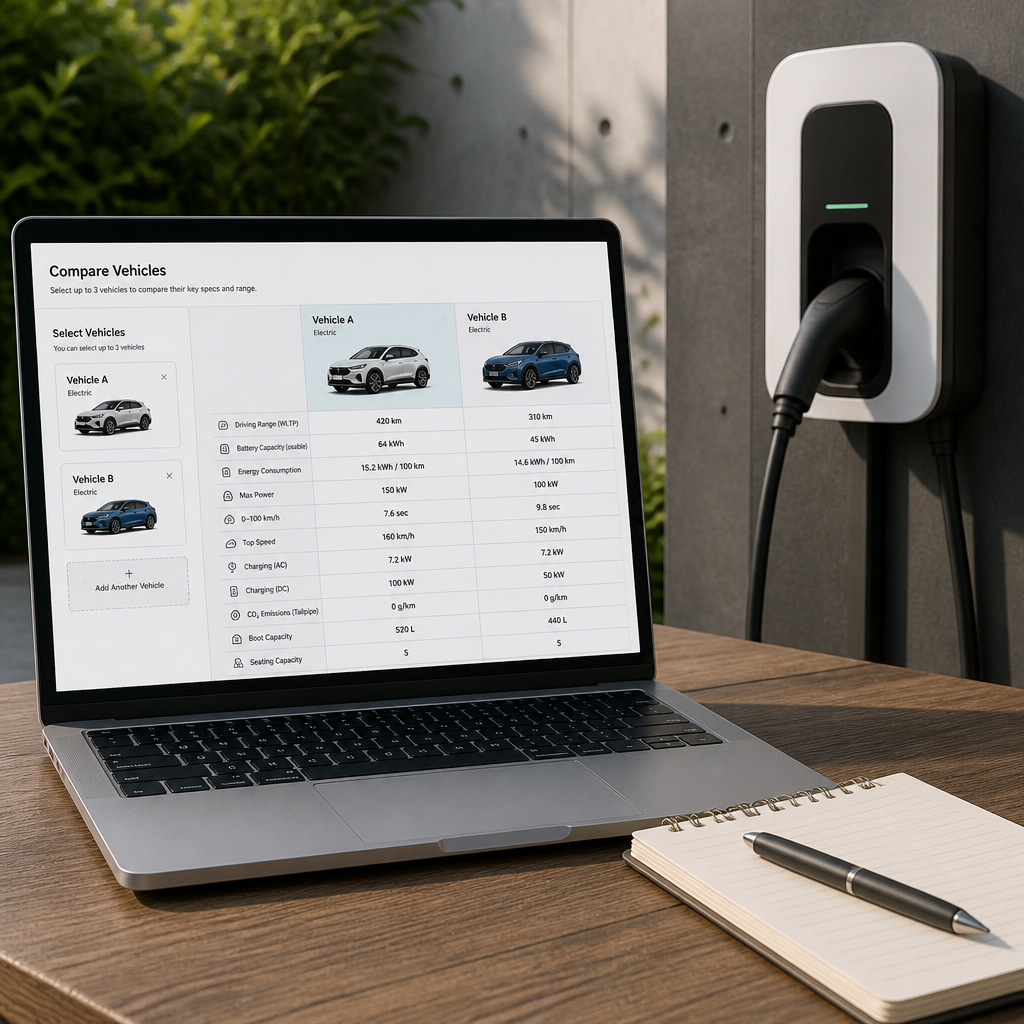
Pro tip: Before visiting a dealership, use a side-by-side EV comparison tool to check total ownership cost estimates across a three-year and five-year window. A car that costs €2,000 less upfront but carries higher energy consumption per 100 km can easily cost more over a typical ownership period.
Volkswagen ID.3: The Benchmark Everyone Measures Against
The ID.3 has earned its benchmark status through iteration rather than innovation. The 2026 ID.3 Neo offers 50 kWh, 58 kWh, and 79 kWh batteries, with WLTP ranges of roughly 417 km, 494 km, and 629 km. Real-world figures fall noticeably, but the 58 kWh model hits a practical sweet spot for most European drivers.
Battery and Charging Options
The entry 50 kWh Pure supports up to 105 kW DC fast charging, rising to around 120 kW on the 58 kWh Pro. The 79 kWh Pro S reaches up to 183 kW, making it the best choice for drivers who regularly use fast-charging infrastructure on motorway routes.
The ID.3's biggest selling point is ecosystem confidence. An extensive dealer network across the EU and UK, reliable over-the-air updates, and well-established resale values make it the least-risk entry into EV ownership in this price range.
Peugeot e-308: The Premium Challenger at the Edge of the Budget
The Peugeot e-308 is the most conventionally car-like option in this comparison, with firm steering and a cabin that feels more premium than its price implies. At around €34,900 in Europe, it is a properly equipped car rather than a stripped-out entry model.
Powertrain and Real-World Performance
The e-308 uses a 54 kWh usable battery and a 115 kW electric motor. WLTP range is around 410 km, but mixed real-world driving typically yields 300-340 km, which is respectable for daily EU and UK driving but not exceptional at this price.
Interior Quality and Technology
The cabin is where the e-308 differentiates itself. Peugeot's i-Cockpit layout divides opinion but feels considered rather than generic. Touchscreen responsiveness has drawn mixed reviews, so run an extended test drive to confirm the current software meets your expectations.
The best entry-level EV is not necessarily the one with the longest range or the lowest sticker price. It is the one whose real-world ownership costs, charging habits, and daily practicality align most closely with your specific life.
Pro tip: If the e-308 appeals but its price edges above your post-incentive budget, check whether the estate (SW) version is available in your country. In some EU markets the SW body style is offered at a comparable or occasionally lower effective price than the hatch, and it adds 608 litres of boot space versus the hatch's 361 litres.
Stellantis Siblings: Citroën ë-C4 and the Opel Astra Electric
Stellantis shares a common electrical architecture across the Peugeot e-308, Citroën ë-C4, and Opel Astra Electric. Each car is tuned and equipped differently, and the price spread between them is significant enough to influence the buying decision.
Citroën ë-C4: The Value Case in the Stellantis Range
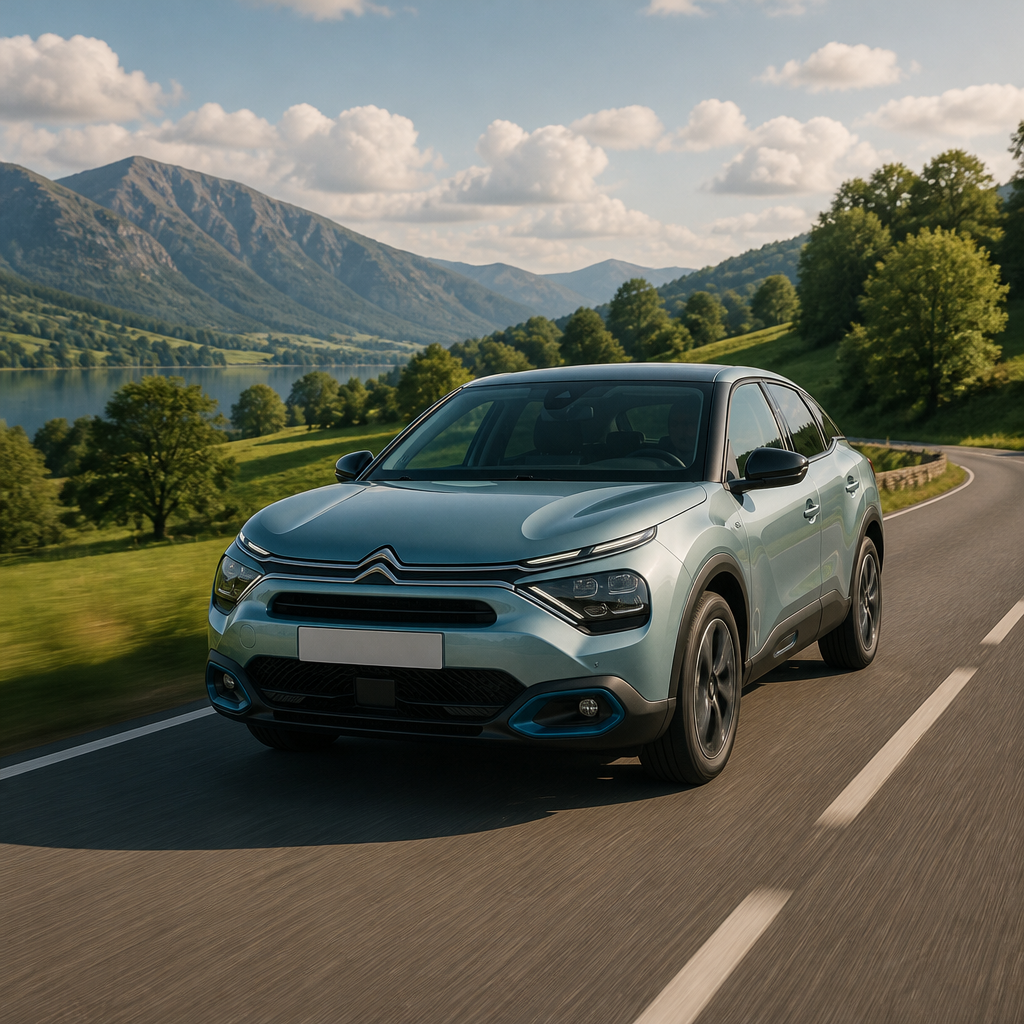
The Citroën ë-C4 starts from around €31,900 in Germany with a 46.3 kWh usable battery and a real-world range of approximately 285 km. It charges at around 74-79 kW DC, which lags behind the ID.3 Pro, but for drivers who mainly charge overnight at home, the price saving matters more than the gap.
Opel Astra Electric: Above the Budget Band
The Opel Astra Electric is priced at around €41,990 in Europe, which places it outside the sub-€35,000 brief. A used example coming off lease at around €28,000-€32,000 is a credible alternative to buying any of these cars new.
Side-by-Side Comparison: ID.3 vs e-308 vs Citroën ë-C4
The table below compares the three main contenders at their most accessible trim and battery configuration. Prices are indicative and should be cross-checked against national incentive schemes, since post-incentive pricing can change the ranking.
Specification
Volkswagen ID.3 Pure (52 kWh)
Peugeot e-308 (54 kWh)
Citroën ë-C4 (46.3 kWh)
Starting price (Europe)
From ~€36,900 (incentives may apply)
From ~€34,900
From ~€31,900 (Germany)
Usable battery
52 kWh
54 kWh
46.3 kWh
Real-world range (combined, mild weather)
~380 km
~300-340 km
~285 km
Max DC fast charging
Up to 105 kW
Up to 100 kW
Up to 74-79 kW
Boot space (seats up / folded)
385 / 1,267 litres
361 / 1,115 litres
380 / ~1,250 litres
Platform
VW MEB
Stellantis STLA Medium
Stellantis STLA Medium
Best suited for
Mixed urban and highway use, families
Driving enthusiasts, premium feel seekers
Urban commuters, value-focused buyers
Real-World Range: What the WLTP Numbers Hide
WLTP figures come from controlled lab conditions and are consistently optimistic for real ownership. For buyers in northern EU countries or the UK, cold weather is critical, because temperatures below 5°C can reduce effective range by 25-35% compared to mild-weather figures.
The ID.3 Pure with its 52 kWh battery illustrates this clearly. Real combined range sits at around 325 km in average conditions, drops to approximately 275 km in cold driving, and climbs to around 380 km in mild weather. Size your battery against your worst-case regular journey, not your average one.
The Citroën ë-C4 is more affected in absolute terms. Its roughly 285 km average range can shrink to nearer 200 km on a cold January motorway run, so anyone regularly covering 150 km or more per trip without guaranteed fast-charge access should consider the 54 kWh version or the ID.3 Pro.
Total Cost of Ownership: Beyond the Sticker Price
Sticker price comparisons are misleading without the full ownership picture. Energy cost, insurance, servicing, and depreciation all shift the ranking, and EVs generally have lower servicing costs because they have fewer wear components.
Charging Cost at Home vs Public Networks
Home charging on a standard tariff makes running any of these cars substantially cheaper per kilometre than a comparable petrol hatchback. Public rapid charging can cost two to three times more per kWh, and the ID.3's faster DC charging also means shorter stops, which saves time as well as money.
Depreciation and Residual Values
EV depreciation in this segment has been turbulent as new models arrived and battery prices fell. The ID.3 benefits from strong brand recognition and a large used market, while the e-308 and ë-C4 carry more residual value uncertainty over a five-year horizon.
Pro tip: When comparing total ownership cost across these models, run the calculation for both a three-year and a five-year ownership period. Cars with higher residual values at three years are often more economical for drivers who change cars regularly, while the lower energy consumption of more efficient models pays off more on the five-year horizon.
Which EV Is Right for Which Buyer
The ID.3 suits buyers who want the lowest-risk, most versatile entry into EV ownership. Its real-world range, fast charging, dealer support, and resale market make it the safest choice for first-time buyers, and the 58 kWh Pro is the sweet spot.
The Peugeot e-308 suits buyers who value driving feel and cabin quality, whose daily driving sits comfortably within 250-300 km, or who are already Peugeot loyalists. Its at-the-limit pricing requires careful calculation of the post-incentive cost before committing.
The Citroën ë-C4 suits urban and suburban buyers who charge at home overnight and rarely drive more than 100-120 km a day. Its lower price leaves budget headroom for a home charger. Tools like the Wise EV comparison platform can run a side-by-side analysis of ownership cost and real-world range against the car you are replacing.
Frequently Asked Questions
Is the Volkswagen ID.3 genuinely available under €35,000 in Europe?
The ID.3 Pure starts at around €36,900 in the EU before incentives. In several member states, national incentives or scrapping premiums can bring the effective price below €35,000, depending on your country, trim, and eligibility, so calculate the post-incentive price for your market.
What is the real-world range of the ID.3 in cold European winters?
For the ID.3 Pure with the 52 kWh battery, cold-weather combined range drops to approximately 275 km, and about 235 km on the highway. The 58 kWh Pro fares better, and the 79 kWh Pro S suits long winter drives in northern EU countries or the UK. Plan around these cold-weather figures, not the mild-weather numbers.
If you have already looked at these three models or are considering a different EV in this price range, share your experience or your top unanswered question in the comments below.
References
- Volkswagen ID.3 Pure real-world range, battery specs, and efficiency data
- Volkswagen ID.3 Neo 2026 independent review covering range, pricing, and battery options
- 2026 ranking of the best-value electric compact cars under €35,000 in Europe
- Most popular electric cars in Europe in early 2026 with platform and pricing analysis