EV Charging Cost in Europe: Home vs Public Stations
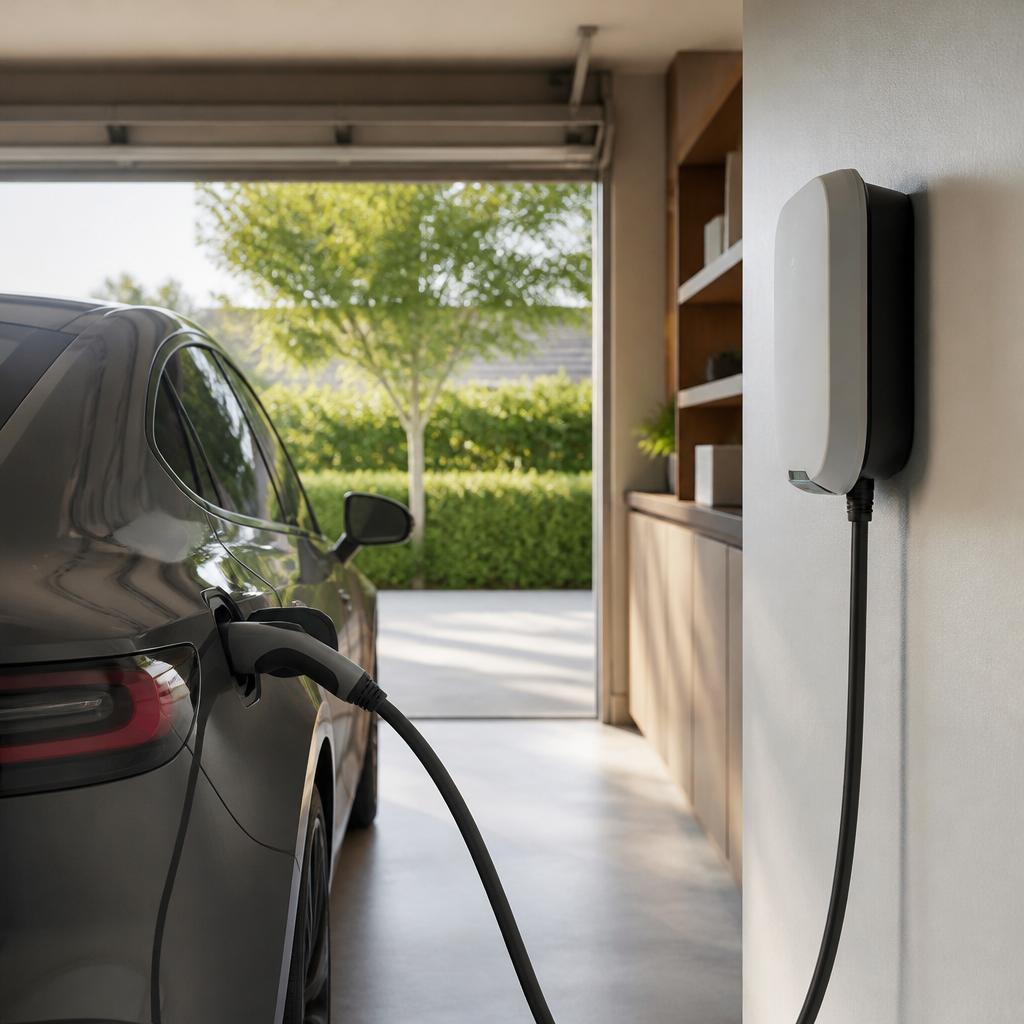
If you drive an EV in Europe, the first cost question is rarely whether electricity beats petrol. It almost always does. The harder question is how much of that saving survives when you rely on public chargers, where a single session can cost far more than the same energy would at home. Charging an EV at home vs public stations is the biggest lever on your running costs, and it is where many first time EV buyers get caught out. This guide shows how EV charging cost in Europe is built up, why tariffs differ so much between EU countries and the UK, and what the gap looks like once you put real numbers into a monthly budget.
Table of Contents
- Quick Takeaways
- How Home Charging Costs Are Calculated
- Home Electricity Tariffs Across Europe
- Public Charging Price Structures
- The Real Cost Gap Between Home and Public Charging
- Charging Options Compared
- Installation and Payback of a Home Charger
- Annual Running Costs by Driving Pattern
- Frequently Asked Questions
- References
Quick Takeaways
Key Insight
Explanation
Home electricity is usually your cheapest kWh
Compare your home unit rate with the per-kWh price of the public chargers you actually use before you assume a fast charger is a convenient top-up.
Public DC fast charging is the costliest way to add range
The IEA notes that public fast charging can cost well above residential prices, so treat it as a backup for trips rather than a daily habit.
Read the standing charge, not just the unit rate
A fixed daily charge is paid whether or not you plug in, and it weighs most heavily on low-mileage drivers.
Session and idle fees change the real price
A low per-kWh rate means little if a fixed session fee applies to a short top-up or if you are billed for time after the battery is full.
Convert everything to cost per 100 km
A cost per 100 km lets you compare an EV fairly with a petrol car and shows whether a public charger is worth using on a given trip.
A home wallbox pays off only if you charge at home most of the time
Divide the installation cost by your monthly saving versus public charging. If the result is many years, a home wallbox is a poor fit for your driving pattern.
Time-based tariffs reward planning
An off-peak window can lower your home cost sharply, but only if your charging schedule fits inside those hours.
How Home Charging Costs Are Calculated
The basic formula is simple: the energy you take from the grid multiplied by your unit rate, plus any standing charge your supplier adds whether or not you plug in. The catch is that grid energy is always more than the energy stored in your battery, because some power is lost as heat in the cable, the charger and the battery itself. As a rule of thumb, plan for losses of roughly 10 percent and treat that as a planning buffer rather than a measured figure for your car.
Turning kWh into cost per 100 km
Most drivers compare EVs with petrol cars in litres per 100 km or miles per gallon, so convert everything to a cost per 100 km. Take an illustrative example, not a market average: a car that uses 17 kWh per 100 km on a home unit rate of 0.30 € per kWh costs about 5.10 € per 100 km before losses. Add the loss buffer and the figure rises to roughly 5.60 €. That is the number to set against the fuel bill of a petrol car over the same distance.
Once you have that figure, rerun it with your own consumption and your own tariff. The exercise takes five minutes and shows you far more than any country average would. Owners who skip it usually compare headline prices and miss the fees that decide the outcome.
Why the standing charge matters for low-mileage drivers
A standing charge is a fixed daily amount on your electricity account, regardless of how much you use. If you cover only a few thousand kilometres a year, that fixed element can make up a noticeable share of what you pay for charging, which pushes your real cost per kilometre up. Low-mileage owners should compare the total annual bill, including the standing charge, rather than focusing only on the unit rate.
In practice, a tariff with a slightly higher unit rate and a lower standing charge can work out cheaper for someone who drives little. The reverse is also true for heavy drivers, who benefit from the lowest possible unit rate because the standing charge is spread across far more kilowatt-hours.
Home Electricity Tariffs Across Europe
Household electricity prices differ widely across EU member states and the UK, and the reasons are structural rather than random. Network charges, taxes and levies, the mix of generation sources and the share of customers still on regulated tariffs all push prices in different directions. Because these components change over time, this guide does not quote a country price as a fixed reference point.
For most owners, the contract matters more than the country. Two households in the same city can pay very different unit rates depending on whether they are on a fixed deal, a variable rate or a specialist EV tariff. Look at the unit rate and the standing charge together, because the headline number on a comparison page often hides one or the other.
Time-of-use and off-peak tariffs
Some suppliers offer time-of-use tariffs with a cheaper window overnight, and for EV owners that window can be the best deal on the bill. The practical test is simple: if most of your charging can happen during the cheap hours, your effective price per kWh can fall well below your standard rate. The downside is that you need to schedule your car or wallbox to start on time, and a missed schedule can leave you with a partly charged battery in the morning.
Pro tip: Before you sign up to a time-of-use tariff, ask the supplier for the off-peak window and rate in writing, then model a typical week of charging against it. A two-hour window rarely covers a full week of commuting, so check the hours you actually need.
Smart charging and tariff selection
Smart charging software can move your sessions into the cheapest hours without you thinking about it, which is where the savings become consistent. Be careful about the hidden cost, though. Some setups add a monthly subscription or require a specific tariff, so the saving is real only if the net figure beats your standard contract.
Our advice is to run the numbers for both options and not accept the marketing claim at face value. Write down the monthly cost of each option with your expected kWh, and choose the one with the lower total, not the one with the more appealing headline.
Public Charging Price Structures
Public charging is priced in more ways than most drivers expect. Some operators charge per kWh, some per minute, some per session, and many add a subscription or a roaming fee if you use a provider that is not your own. The price shown on the charger rarely reflects the full cost, so read the tariff before you plug in.
Across European networks, the core difference is between slower AC points and fast DC chargers. The per-kWh price on a DC unit is usually higher, and the speed you pay for is often the main reason. A slow charger at a supermarket can end up cheaper than a fast one at a motorway station, even when the per-kWh rates look similar on paper. Building out public networks also takes heavy investment. Eurelectric estimates that reaching the EU's target of 3 million public charging points by 2030 requires very large spending, and operators have to recover that money somehow, which shows up in what you pay.
AC charge points at destinations
Destination AC chargers at shops, hotels, offices and car parks are the closest public equivalent to home charging. Their pricing often mixes a per-kWh rate with a parking or time-based fee, and some are free for customers of the host business. Use them when you would be parked anyway, and check whether the time-based fee starts after a set period.
DC fast chargers and session fees
DC fast chargers are the most expensive way to add range, and they are the category the IEA highlights when it notes that public fast charging can cost well above residential prices. Many networks add a session fee or connection fee on top of the per-kWh rate. That fee is fixed, so it hurts most on short top-ups, where a small amount of energy can carry a surprisingly high price per kWh.
Idle fees are the other trap. Some operators charge per minute once the battery is full but the car is still plugged in, which penalises you for leaving the car on the bay. Read the tariff for idle fees before you assume a fast charger is good value.
Pro tip: Set a target charge level and unplug as soon as you reach it. Many networks bill idle time once the battery is full, so ten extra minutes can cost more than the energy you actually received.
The Real Cost Gap Between Home and Public Charging
Put the two side by side and the pattern holds: home charging is usually the cheapest kilowatt-hour you will buy, and public DC fast charging is usually the most expensive. The IEA's Global EV Outlook 2026 makes the same point, noting that public fast charging can cost well above residential prices. For most owners, that means public charging should be the exception in the budget, not the default.
The same IEA material indicates that most EV owners charge privately, at home or at work, for the large majority of their driving. That matters for your budget because a handful of expensive public sessions can outweigh months of cheap home charging. The gap is also easy to underestimate, since the rate on the screen rarely includes the fees that appear later on the receipt.
Unattributed key insight: a public charger's per-kWh price tells you only part of the story. The session fee, the idle fee and the time spent waiting usually decide what you actually pay.
Reading a public receipt correctly
In practice, the easiest way to see the gap is to log your next five public sessions. Divide the total amount paid by the kWh you actually received, which your app or receipt should show. Most owners are surprised by the result, because the effective price includes fees that never appear in the headline rate.
Keep the log for a month. If your effective public price is consistently well above your home rate, you have a clear case for changing your habits, such as scheduling trips around destination chargers or planning a home top-up before a long drive.
Where the gap narrows
A 2022 study published in Nature compared the levelized cost of EV charging options across countries and found a substantial average spread between the highest and the lowest cost option. The lesson for owners is that the spread is not fixed. It shifts with your tariff, the charger you pick and how often you rely on speed, so the gap can narrow if you change how you charge.
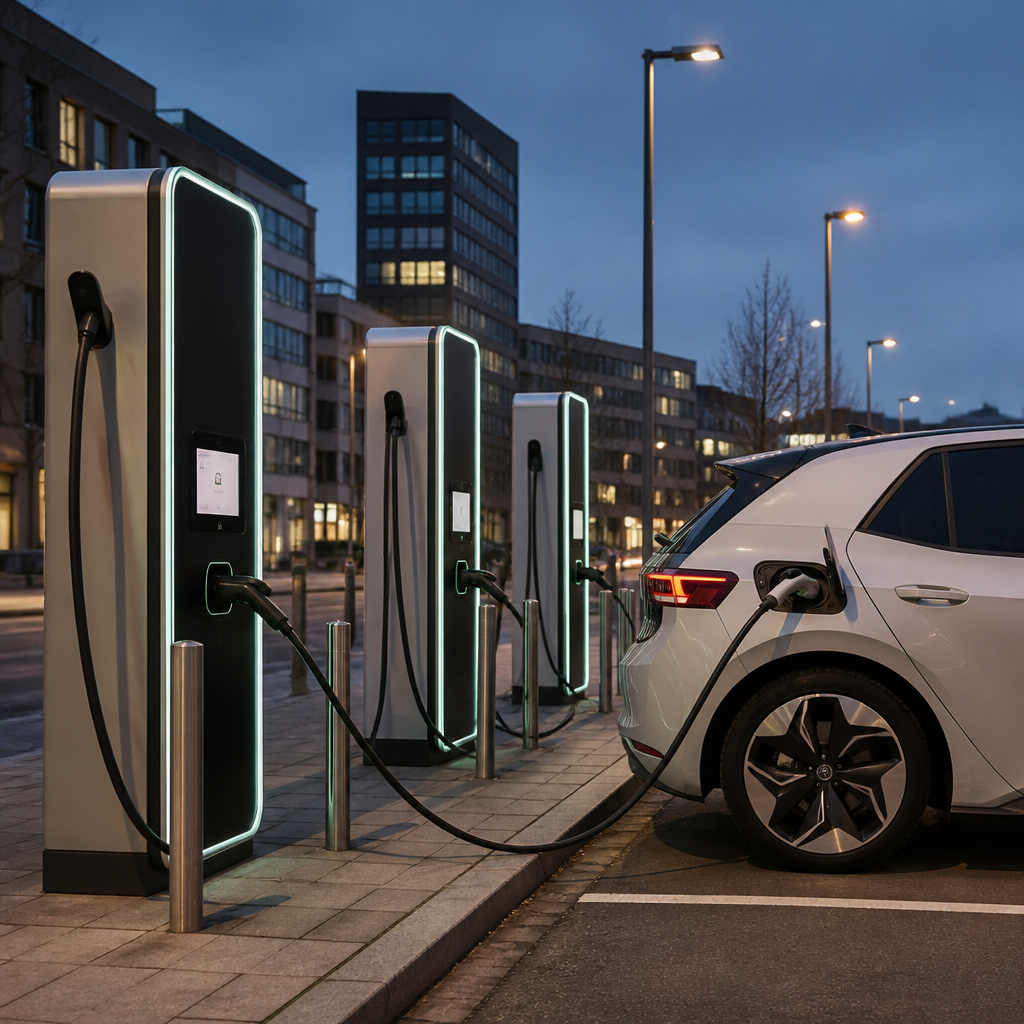
The gap also narrows if you have access to cheap destination charging. A free or low-cost AC charger at a workplace can close much of the distance between public and home costs, which is why employer charging is worth asking about before you assume public charging must be expensive.
Charging Options Compared
The table below compares four common ways to add energy, along with how each one is typically billed. None of these options is best in every situation, but each has a clear job. Use the table as a starting point and then check the tariffs that apply to your own home and the chargers you use most.
Charging option
How the cost is billed
Best use case
Home wallbox on a flat tariff
Unit rate plus standing charge
Daily charging with predictable costs
Home wallbox on a time-of-use tariff
Lower rate in the off-peak window, higher rate otherwise
Owners who can plug in overnight
Public AC charger at a destination
Per kWh, per hour, or free with a purchase
Topping up while you shop, work or dine out
Public DC fast charger on a motorway
Per kWh plus session or idle fees
Long trips when you need speed
When a public AC charger wins
A destination AC charger often beats a fast charger on cost when you are parked for a long time anyway. You pay for the energy, and the session fee is either absent or small compared with a DC session. If you have two hours at a shopping centre, a slower charger can deliver a useful amount of range at a fraction of the price.
The trade-off is time. If you are on a long drive and need to be back on the road quickly, a fast charger is the right tool even at a higher price per kWh. Pay for speed only when speed is the thing you actually need.
Choosing between DC and AC on a trip
On a trip, plan your stops around the cost and the timing together. Look for an AC charger near your planned break, and reserve the DC fast charger for the stop where you genuinely need to add a lot of range quickly. This habit keeps your total cost down without making the journey slower than it needs to be.
A practical check is to note the fees on each network before you travel, since operators set their tariffs independently. Two stations on the same motorway can differ enough to change your trip budget.
Installation and Payback of a Home Charger
A home wallbox is only worth installing if you will use it most of the time. Installation costs vary a lot across Europe, depending on how close your consumer unit is to the parking space, whether the circuit needs upgrading and local labour rates. Get at least two written quotes, and ask each installer how they will check the circuit's capacity before fitting a dedicated unit.
Payback is a simple division. Divide the installation cost by the monthly saving versus public charging for your typical usage. If you do most of your charging away from home, the same calculation can look far less attractive, and a wallbox may not be the right first purchase.
Safety checks before installing
For occasional top-ups, a mobile charging cable on a standard domestic socket can work, but it is slower and the socket must be in good condition and suitably rated. For daily charging, a properly installed wallbox on a dedicated circuit is the safer option. Have a qualified electrician inspect the circuit first, especially in older homes where the wiring may not be rated for sustained loads.
Government grants and utility incentives vary by country and sometimes by region, so check what applies where you live before you sign a contract. Keep the paperwork, because some schemes require certified installers and specific equipment.
Calculating your payback period
Use a simple example to test the numbers. Suppose a wallbox installation costs 1,000 € and it saves you 80 € a month compared with charging at public DC stations. The payback period is 12.5 months. The figures here are illustrative, but the method works with your own installation quote and your own monthly saving.
Run the calculation twice, once with your current driving and once with a realistic estimate of what you will drive in the next three years. Owners who change jobs or move often should assume a shorter period of use and a lower saving, which pushes the payback further out.
Annual Running Costs by Driving Pattern
Annual figures make the trade-off concrete. Take an illustrative owner who drives 10,000 km a year in a car that uses 17 kWh per 100 km, which means about 1,700 kWh of charging each year. The unit rates in this example are hypothetical: 0.30 € per kWh at home, 0.50 € at a public AC charger and 0.70 € at a DC fast charger.
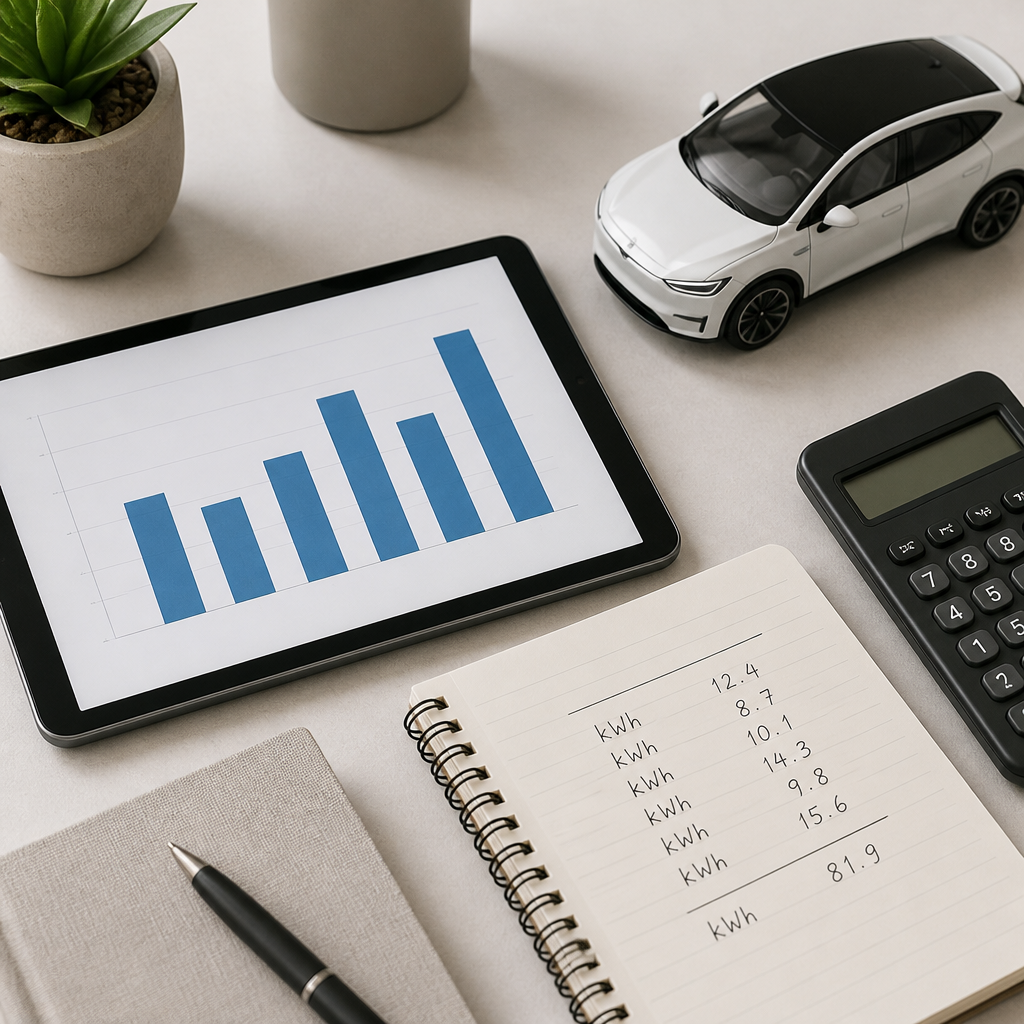
Annual costs at three charging mixes
If all 1,700 kWh came from home, the annual bill would be 510 €. If all of it came from public AC chargers, the bill would be 850 €. If every kilowatt-hour came from DC fast chargers, the bill would be 1,190 €, and that figure does not yet include any session or idle fees. The spread between the first and last scenario is wide enough to change your priorities completely.
A realistic mixed-use scenario
Most owners sit between those extremes. Suppose 80 percent of charging happens at home and 20 percent on DC fast chargers. That gives 1,360 kWh at home, costing 408 €, and 340 kWh on fast chargers, costing 238 €, for a total of 646 € a year. That is still well below the all-public scenario, and the difference comes almost entirely from how often you depend on fast chargers.
Notice what that does to your priorities. In this example, moving 20 percent of your energy from fast chargers to home or destination charging saves far more than shopping for a slightly cheaper home tariff. Start with your public habits before you chase small tariff changes, unless your home unit rate is unusually high.
Frequently Asked Questions
Is charging at home always cheaper than public charging in Europe?
In almost every case, yes, because home electricity is usually the lowest per-kWh price most owners will pay. Compare the two numbers rather than assuming the home rate wins, especially if your home tariff has a high unit rate and a nearby public AC charger is free or cheap.
Can I charge an EV from a standard domestic socket?
You can for occasional top-ups, but a standard socket is slower and is not designed for hours of continuous load. For daily use, a dedicated circuit and a properly installed wallbox are the safer route. Ask a qualified electrician to inspect the circuit before you rely on it.
How do I find my real home electricity price?
Look at your supplier invoice or tariff document and note the unit rate and the standing charge separately. If you are on a time-of-use tariff, note the off-peak window and rate too. Use your wallbox energy log or smart meter data to measure the kWh you charge, then apply the rates to get your true cost.
Are public charging subscriptions worth it?
Only if you use public chargers often enough to outweigh the monthly fee. Estimate your typical monthly public kWh, apply the subscription rate and the pay-per-session rate, and compare the two totals. Occasional drivers usually do better paying per session.
Do session and idle fees matter if the per-kWh price is low?
Yes. A fixed session fee is spread over fewer kWh on short top-ups, which raises the effective price. Idle fees add cost once the battery is full. Check both before you start charging, and unplug as soon as your target level is reached.
How do your public charging receipts compare with your home tariff, and was the gap bigger or smaller than you expected?