How to Choose an EV: 6 Questions That Reveal Your Match
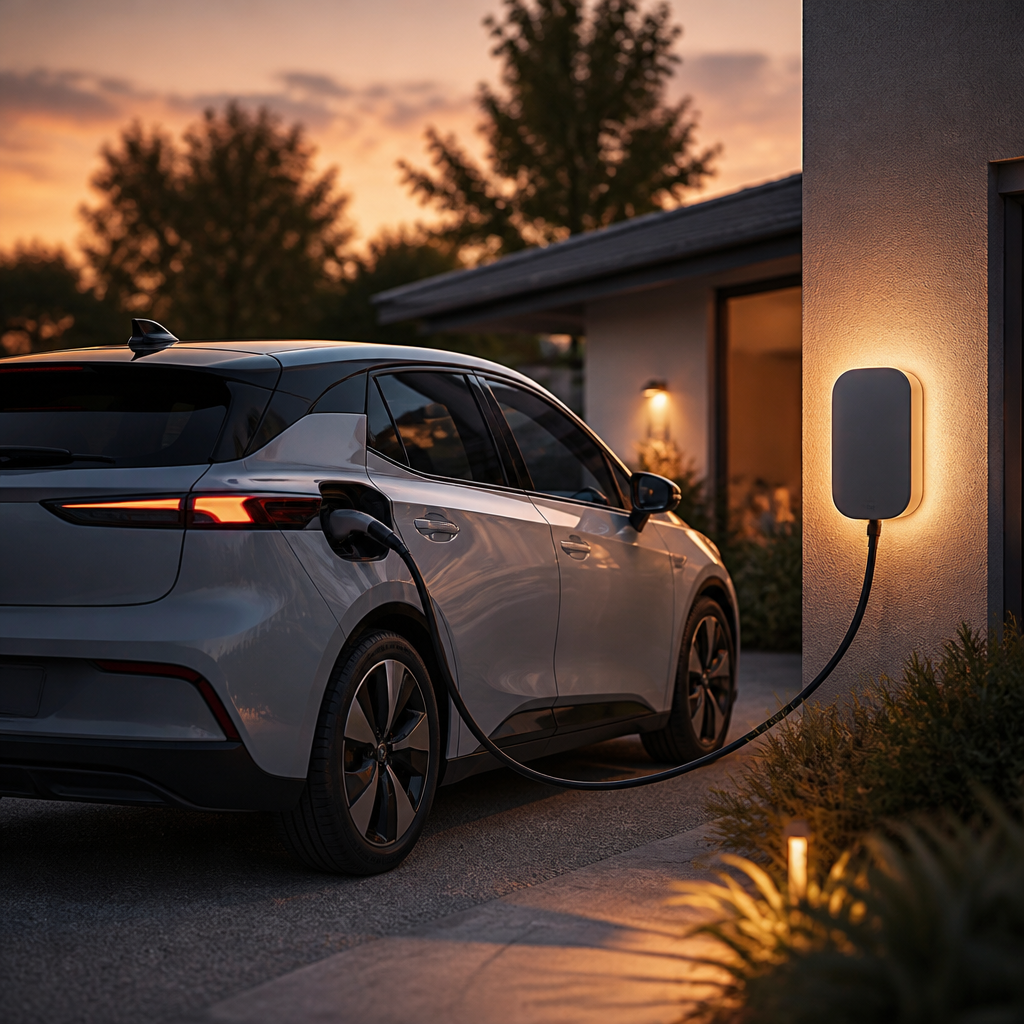
Most people start shopping for an electric car with a model they saw on the road or in a showroom window. That is the wrong order. The right EV depends on how you drive, where you park, how long you plan to keep the car and what you can comfortably afford to run each month. Here is how to choose an EV that fits your life, using six questions you can answer before you open a single spec sheet. Work through them honestly and most unsuitable options drop off your list before you book a test drive.
Table of Contents
- Quick Takeaways
- Do You Really Need a Car at All?
- How Will You Use the Car Day to Day?
- Can You Charge at Home or Only in Public?
- How Long Will You Keep the Car?
- What Does Ownership Really Cost?
- Does the Driving Feel Right for You?
- Comparing Three Ways to Shortlist EVs
- Frequently Asked Questions
- References
Quick Takeaways
Key Insight
Explanation
Start with your trips, not the car
Log a typical week of driving, including your longest regular journey, before you compare any model.
Home charging decides daily convenience
If you can plug in overnight, a modest battery often covers your needs at a lower running cost.
Plan for the years you will own the car
Read the battery warranty terms and check resale data for the model and age you are considering.
Price the full ownership period
Compare electricity, insurance, tyres and servicing against your current fuel and service bills.
Test the car on your own roads
A drive on your usual motorway, city streets and tight car parks reveals more than a short showroom loop.
Do not buy a car you rarely need
If walking, transit or a car club covers most of your journeys, an EV may be the wrong first step.
Do You Really Need a Car at All?
Start with the question most buyers skip. Before you compare battery sizes, ask whether a private car still earns its place in your week. The Union of Concerned Scientists buying guide makes a similar point: many workplaces now offer hybrid or home-working schedules, which can shrink the commuting distance a household actually covers.
Write down every journey you made last month. Sort them into commutes, school runs, shopping, weekend trips and the occasional long drive. In practice, most households find that routine trips suit an EV easily, and the real problem is always one or two long journeys, so plan around those rather than the average week.
Trips You Can Hand to Other Options
Walking, cycling, rail and bus can take over more journeys than most people expect, especially short errands in town. Car club and ride-hailing services cover the few days a year when you need a larger vehicle or a one-way trip. If those options handle the bulk of your driving, a car is an occasional need rather than a daily one, and an EV may be the wrong first step.
When a Car Still Makes Sense
If you live in a rural or suburban area where public transport is thin and walking or cycling is impractical, owning a car is probably the right call. The UCS guide notes that fuel and maintenance savings can make up the upfront price gap over time, even before incentives, so an EV still deserves a serious look. Compare the car you need against the EV you could live with, not against a fantasy of never driving.
Pro tip: Pull your annual distance from your last service invoice or insurance renewal. It is more accurate than the number you remember, and it tells you how much range you genuinely need.
How Will You Use the Car Day to Day?
This question decides the size of the car, and size drives both the battery and the price. A smaller, more efficient EV needs a smaller battery pack, which carries less manufacturing impact and suits single-occupant commuting well. Larger EVs make sense when you regularly carry a family, pets, bikes or a trailer, but they bring their own efficiency and cost trade-offs.
The most useful range figure on your shortlist is the one you work out from your own driving, not the one printed in the brochure.
Start with your typical day, then add a buffer for the worst day of the year. Chargie advises checking whether the range covers daily commuting and the occasional longer trip, and that is the right test. Wise EV's real-world range data is built to show how cars perform outside the brochure, which is where this decision is actually made.
Real-World Range Versus the Brochure Figure
Official range figures come from controlled test conditions. Winter temperatures, heating, motorway speeds, a full load and worn tyres all reduce what you get on the road. Leave a generous margin above your typical day, because the car you drive in January is not the car in the brochure.
Boot Space, Seats and Towing
Measure your largest regular load before you look at any car. A pushchair, a bicycle, a folded wheelchair or a weekly supermarket run each set a different requirement. Check rear seat access and the height of the load lip, because a boot that looks big on paper can still be awkward to use. If you tow, confirm the towing rating and the effect on range before you commit, since towing can cut range sharply.
Long Journeys and Charging Stops
On longer trips, the real question is where you will charge, not how far the car goes. Plan the route, check the charging points along it and allow time for a stop that fits your schedule. Chargie points out that public charging availability along your travel routes matters most on longer journeys, so check it before you need it.
Can You Charge at Home or Only in Public?
Home charging is the difference between an EV that feels effortless and one that becomes a weekly chore. Chargie recommends a Level 2 charging station at home, which allows overnight charging that maximises convenience and can keep costs down. In Europe and the UK, installers usually call this kit a wallbox, so use that term when you ask for quotes.
Home charging is also where most owners get their habits right. Plugging in each evening means you start every day with a full battery, and you rarely need to think about public networks at all.
If You Have a Driveway or Private Parking
Ask an installer to survey your consumer unit and the cable run before you buy the car. Older houses may need a supply upgrade, and that cost can change the maths on a cheaper model. If you rent, get your landlord's permission in writing before you order anything, because that approval is the step buyers most often skip.
If You Park on the Street or Live in a Flat
Street parking and flats are where home charging gets complicated. The UK government publishes statistics on the chargepoint grant scheme for renters and flat owners, with figures current to 1 July 2026, so support exists for people in this situation. Speak to your building manager or residents' association early, and ask whether a shared charger, a workplace charger or a nearby public point is realistic for your week.
Public Charging Costs and Habits
Public charging suits top-ups during a day out and rapid stops on longer trips. It usually costs more per kilowatt hour than charging at home, so if most of your energy comes from public points, your running cost estimate has to reflect that. Track how often you actually visit a public charger before you treat it as a backup.
Pro tip: Before you buy, ask your installer or landlord to confirm in writing what they will allow and what it will cost. Discovering a blocked electrical supply after the car is delivered is one of the most expensive lessons in EV buying.
How Long Will You Keep the Car?
A car you keep for three years and a car you keep for ten are different purchases, even at the same price. Long ownership puts the battery, the warranty and post-warranty repair costs under pressure. Short ownership puts the spotlight on resale value, which is harder to predict for EVs than for many petrol models.

Think of this as a question about risk. The longer you hold the car, the more you need the battery to hold up, and the less you should rely on a future buyer paying a premium for it.
Reading the Battery Warranty Properly
Chargie points out that manufacturers often warrant the battery for a set period or mileage, and the detail matters. Check whether the warranty covers capacity loss, what capacity threshold triggers a claim, and whether it passes to a second owner. A warranty that looks generous on the brochure can be narrow in the small print.
Depreciation and Resale Expectations
Wise EV's vehicle depreciation data lets you compare how specific models have held their value, rather than relying on general impressions. Do not assume a well-known brand protects used value, because EV resale can vary widely between models. Look at the exact model and age you are considering, and budget for the car you will be selling in four or five years.
Battery Health When Buying Used
If you buy a used EV, request a battery state-of-health report from the seller or a reputable workshop. It shows how much usable capacity remains compared with the car when new. Treat a missing report as a reason to negotiate, not as a neutral detail.
What Does Ownership Really Cost?
The purchase price is the number everyone compares, and it is the least useful one for lifestyle fit. The UCS guide expects the upfront difference between EVs and petrol cars to shrink each year, and a UK local authority strategy notes that EV take-up is rising quickly as choice and performance improve. Build a total cost picture over the years you plan to keep the car, then compare it honestly with your current running costs.
Use the ownership cost calculator to model your own numbers rather than estimating in your head. Be honest about the split between home and public charging, because that single assumption can swing the result more than any other.
Electricity Tariffs and Charging Mix
Your electricity tariff matters more than most buyers expect. A cheap overnight rate at home can make an EV far cheaper to run than a petrol car, while frequent rapid charging can erase much of that advantage. Compare your home tariff with public network prices, then use the blend that reflects your real habits.
Insurance, Tyres and Servicing
EVs skip oil changes and many of the routine service items that petrol cars need, which lowers servicing bills. Heavier cars and instant torque can wear tyres faster, so price in a replacement set over the ownership period. Insurance quotes vary widely between models, so get a quote for the specific car before you commit.
Incentives Change Quickly
Grants and tax incentives shift over time, and some depend on specific schemes or eligibility rules. Check the official pages for your country rather than relying on an older article. UK government statistics show that the chargepoint grant schemes are actively funded and tracked, so confirm the details on the day you buy.
Does the Driving Feel Right for You?
Specs tell you what a car can do, but your own experience tells you whether you will enjoy doing it every day. Electric vehicles offer instant torque and smooth acceleration, which feels very different from a petrol engine working through its gears. Some drivers love that, and others find it unsettling in heavy traffic. A test drive is where you learn which group you belong to.

Book at least one drive that reflects your real life, not a showroom loop. Bring the family, the child seat, the bicycle or whatever you carry most often. Chargie advises test-driving the EV and paying attention to handling, and that advice works best when you test the things you will actually do.
Regenerative Braking and One-Pedal Driving
Most EVs let you adjust how strongly the car slows when you lift off the accelerator. Strong regeneration can feel like one-pedal driving, which suits stop-start city traffic, but it may feel abrupt on a winding road. Try each setting on your usual roads and choose the one you can live with for years.
Visibility, Seating and Controls
Check the view over your shoulder, the seat height and the placement of the controls while parked and while moving. Large screens look impressive but can distract on the move, so test whether you can change the climate or the wipers without searching. A car that frustrates you in the first ten minutes rarely improves with time.
A Test Drive Route That Tells You Something
Plan a route that includes a motorway slip road, a tight car park, a hill and a stretch of your usual commute. Those four situations expose most of what a short showroom loop hides. Where possible, check the displayed range against the battery level so you see the car's own estimate in real conditions.
Pro tip: Drive the same route in the car you are considering and in one other model you like. Driving two cars on identical roads makes differences in comfort and visibility much easier to judge.
Comparing Three Ways to Shortlist EVs
Once you have answered the six questions, you still need a method for narrowing the field. Three approaches work well, and each suits a different buyer. The table below compares them so you can pick the one that matches how you make decisions.
Approach
Best for
Main weakness
Range-first shortlist
Drivers with long, predictable journeys or rural routes
Can push you toward larger, pricier batteries you rarely use
Total cost shortlist
Buyers who plan to keep the car for many years
Can overlook comfort, boot space and charging fit
Trip-pattern shortlist
Households with mixed use and reliable home charging
Takes an afternoon of honest trip logging to build
The Range-First Shortlist
Start by filtering out any car whose realistic range cannot cover your longest regular journey with a margin. This method is quick and keeps you honest about long trips. Its risk is paying for battery capacity you use only a few days a year.
The Total Cost Shortlist
Rank models by the cost of ownership over your planned holding period, including electricity, insurance, tyres and resale estimates. It works well for long-term owners, but a cheap car that feels wrong in daily use is still a poor purchase. Use it as a second filter after you have confirmed fit.
The Trip-Pattern Shortlist
This is the method we recommend for most households. You start with the trips you actually make, check where and how you will charge, then test cost and range against that real week. Wise EV's side-by-side vehicle comparison lets you hold a short list against these same criteria, so the decision rests on your numbers rather than a headline spec.
Frequently Asked Questions
Is an EV worth it if I only drive short distances?
Often yes, provided you can charge at home. Short daily trips use a small share of a typical battery, so you can plug in overnight and rarely think about public charging. The case weakens if you cannot charge at home, because every top-up becomes a separate trip.
What if I cannot install a home charger?
Start with your building manager, landlord or employer. Workplace charging, shared residential chargers and public points can cover much of the week, and the UK chargepoint grant scheme for renters and flat owners exists to support some of these installations. Map your weekly trips against the public points near home and work before you buy.
How much range do I really need?
Add up your typical daily distance, then leave a margin for cold weather, motorway speeds and the occasional detour. For most urban and suburban drivers, the daily need sits well below the headline figure. Plan long trips separately instead of buying a bigger battery to cover them every week.
Should I buy a new or used EV?
A used EV can offer strong value, but only if you check the battery health report, the warranty transfer terms and the service history. A new car gives you the longest warranty cover and the latest charging hardware. Choose based on how long you plan to keep the car and how much risk you are willing to carry.
Which electric car is right for me if I mostly drive in towns?
A smaller EV with a modest battery and strong regenerative braking usually suits town driving well. Focus on parking ease, turning circle and visibility at junctions, then check that the car fits your charging setup. Test it in the same kind of traffic you face every day.
Tell us which of these six questions changed your shortlist, or what you wish you had asked before buying your first EV.