Hyundai Ioniq 5 vs Kia EV6: Same Platform, Different Fit
Written by Andrii Sytnyk, wise-ev.me founder
https://threads.com/@sytnyk_andrii
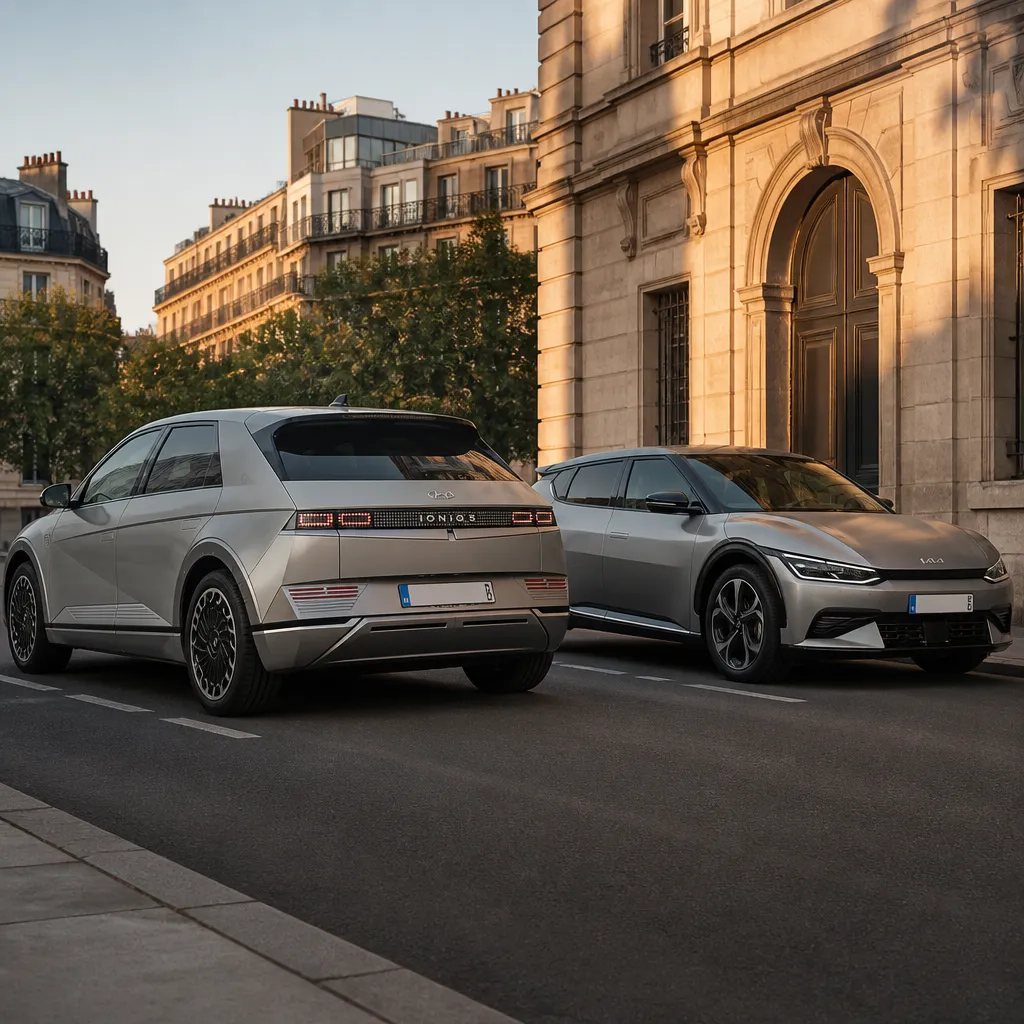
Hyundai Ioniq 5 vs Kia EV6 looks like a comparison that is settled before it starts. Both cars sit on Hyundai Motor Group's E-GMP architecture, and in one long-term test they shared a 77.4 kWh battery, dual-motor all-wheel drive and a 240 kW maximum charging rate. The differences that matter for European buyers sit in efficiency, wheel fitment, trim structure and how each car's range estimate behaves as the pack drains. This article separates the shared hardware from the choices built on top of it.
Table of Contents
- Quick Takeaways
- Shared Platform, Different Tuning
- Range and Efficiency in Practice
- Charging and Battery Behaviour
- Interior and Daily Usability
- Pricing and Trims in the UK and EU
- Side-by-Side Specification Comparison
- Choosing by Driver Profile
- Frequently Asked Questions
- References
Quick Takeaways
Key Insight
Explanation
Shared hardware, different tuning
Both use E-GMP with dual-motor AWD and a 77.4 kWh pack, so the decision rests on calibration, wheels and trim.
The efficiency gap is measurable
In one yearlong test, the EV6 averaged about 3.4 mi/kWh against about 2.9 mi/kWh for the Ioniq 5.
Wheel size is a likely driver
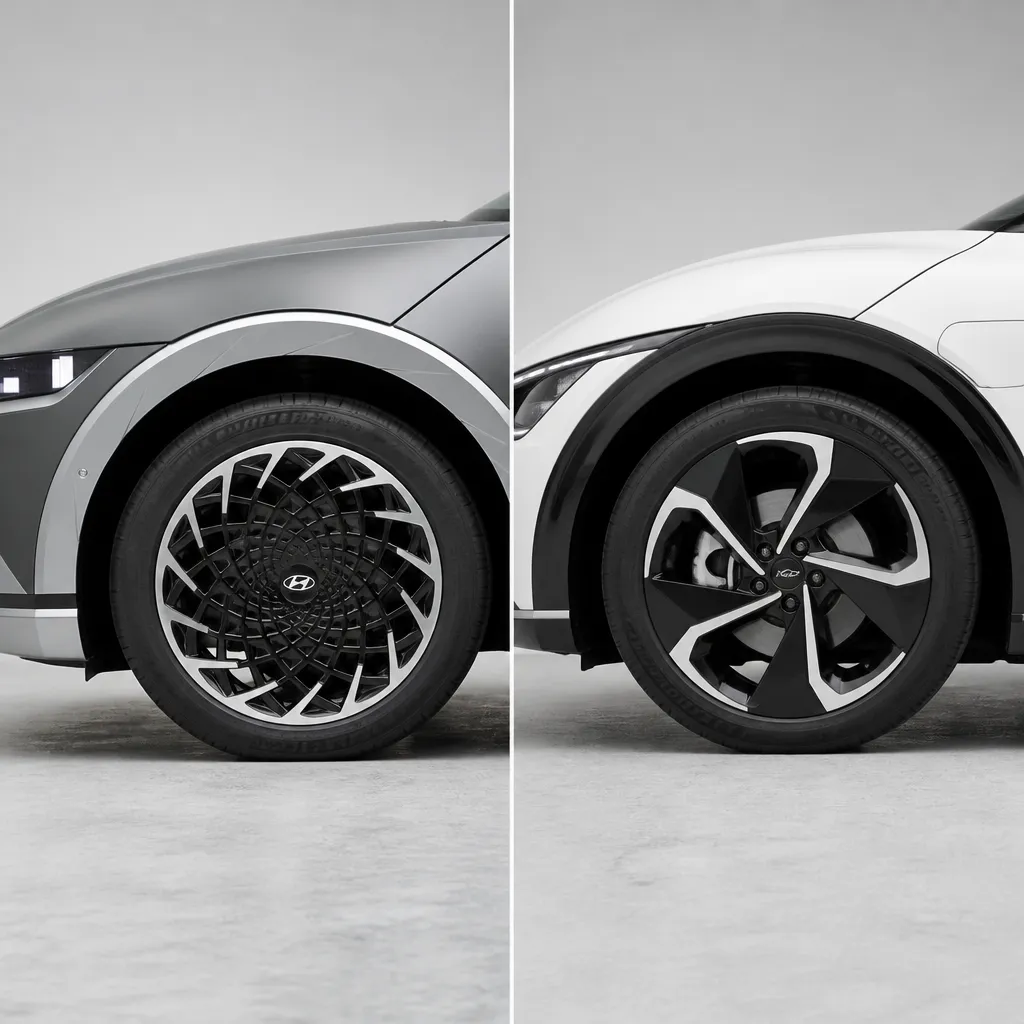
The test EV6 wore 19-inch rims and the Ioniq 5 Limited 20-inch, and the reviewer named wheels as the likely cause of the gap.
Range readouts are not comparable
At 20 percent charge, the Ioniq 5 showed 47 miles and the EV6 showed 59, so compare consumption over identical routes.
Peak charging is identical on paper
Both are rated at 240 kW, so session time depends on the taper curve, battery temperature and the charger.
Price only after option matching
Hyundai's UK page lists the Ioniq 5 from £40,695, and wheel and option differences can outweigh the list-price gap.
Choose by dominant usage
Motorway-heavy drivers should weigh measured consumption first, while mixed urban drivers should weigh trim price and cabin layout.
Shared Platform, Different Tuning
Both cars are built on Hyundai Motor Group's E-GMP architecture. The yearlong test referenced here found dual-motor all-wheel drive, a 77.4 kWh battery and a 240 kW maximum charging rate in both, and the reviewer described them as fundamentally the same vehicle. That common base narrows the real decision to calibration, wheel package and trim.
What the Shared Hardware Settles
Pack capacity, motor layout and charge-rate ceiling are common, so a spec-sheet comparison will not separate these cars. Any gap on a configurator printout is more likely to come from wheel and tyre fitment, mass, or the software governing throttle response and regeneration. Treat the headline battery and charging figures as parity.
Where Calibration Diverges
Throttle mapping, regenerative braking strength and default climate behaviour are set in software, and that is where consumption tends to split. The reviewers drove in Sport mode with climate at maximum heat to drain the packs, which shows the same hardware responds differently to the same inputs. On a test drive, change the regen level and run a full climate-on loop in each car.
Range and Efficiency in Practice
Consumption is where the two cars part ways most clearly. Over the yearlong test, the EV6 returned about 3.4 miles per kWh against roughly 2.9 for the Ioniq 5. That is about 5.5 km/kWh against 4.7 km/kWh, so the Ioniq 5 used roughly 17 percent more energy per mile.
Measured Consumption and Its Likely Causes
The test compared a 2023 Ioniq 5 Limited with a 2022 EV6. Curb weight for each is within 100 pounds, and their claimed drag coefficients are nearly identical, so mass and aerodynamics do not explain the gap. The EV6 midrange Wind trim used 19-inch rims, while the Ioniq 5 Limited used 20-inch wheels, and the reviewer pointed to wheels as the likely cause. A single long-term test is not a laboratory cycle, so treat these figures as indicative.
Why the Range Readout Misleads at the Same State of Charge
Both cars showed 20 percent charge at the start, yet the Ioniq 5 displayed 47 miles and the EV6 displayed 59. The estimator extrapolates from each car's recent consumption, so two cars with identical packs can show different remaining range. Compare km/kWh on an identical route, not the remaining-range number at a given percentage.
A remaining-range figure is only as reliable as the consumption history behind it.
Pro tip: Log consumption on the same route for at least two weeks before judging either car. A single trip is dominated by weather and driving style.
Charging and Battery Behaviour
Both cars are rated at 240 kW maximum, so peak rate will not separate them. What determines a charging stop is how long the car holds that peak, which depends on state of charge, battery temperature and charger output. Planning around the headline figure alone is the most common error among first-time EV buyers.
Holding Peak Power Across a Session
Peak power is available only within a limited state-of-charge window, and outside it the charge rate tapers. A 10 to 80 percent session is therefore shaped more by the taper curve than by the maximum. Pre-conditioning the battery before arriving at a fast charger reduces the cold-battery penalty, which matters through European winters. Confirm that navigation-linked pre-conditioning is fitted to the trim you are considering.
Running the Pack to Empty
The reviewers drained both packs to zero, and according to their account the outcomes ranged from slight inconvenience to mechanical disaster depending on the vehicle. The practical lesson is that a flat battery turns a range shortfall into a tow and a session starting from empty. Set a reserve that keeps you ahead of the nearest charger, and treat stranding as a planning failure rather than a limit to test.
Pro tip: Request the charging behaviour for the exact trim and wheel size you plan to buy, since session time follows that curve rather than the headline peak.
Interior and Daily Usability
Cabin differences matter less than consumption for most buyers, but cabin demand is where range is lost fastest. In the reviewed test, both cars ran climate at maximum heat, which the reviewers described as a major drain on the battery. Heating load is therefore a range variable as much as a comfort feature.
Climate Load and Winter Consumption
Heating is the largest discretionary load in winter, so the cost of comfort shows up quickly in range. Use heat-limiting or eco settings on longer trips, and preheat while the car is on mains power. Seat and steering heaters, where fitted to your trim, reduce cabin demand for the same comfort.
Cabin Checks Worth Doing on a Test Drive
Judge rear-seat access, load space with the rear seats up, and the menus you will use daily, such as charging schedules and regen settings. Check how each car's display responds after a driving mode change. A drive on your own routes tells you more than a showroom loop.
Pricing and Trims in the UK and EU
Price comparison depends on trim and wheel package more than on model badge. Hyundai's UK trims page lists the Ioniq 5 from £40,695 and the N Line from £48,255, and it is the manufacturer source to check against. Specifications and prices change, so verify them on the official configurator before requesting a quote.
Matching Wheel and Trim Before Comparing Prices
A 19-inch and a 20-inch wheel set are not interchangeable in a comparison, because wheel size affects both efficiency and tyre replacement cost. Compare cars at the same wheel diameter and battery specification, then add or subtract options. Otherwise the cheaper listing may simply carry the worse consumption figure.
Building a Like-for-Like Kia Quote
Build the EV6 quote on the same basis, with the same wheel size, paint and option packs, rather than the headline starting price. Request the on-the-road total in writing from each dealer, including delivery and any bundled charging equipment. Once options are aligned, measured consumption should carry more weight than the list-price gap.
Side-by-Side Specification Comparison
The table collects only the points verified for this article. Rows drawn from a single long-term test are marked as such, because they do not come from a standardised laboratory cycle.
Reading Shared Rows Against the Efficiency Row
The architecture, drivetrain, battery and peak charging rows confirm parity. The efficiency and range rows are the only ones that separate the cars, and they come from one comparison. Treat them as a directional signal and test them against your own driving.
Specification
Hyundai Ioniq 5
Kia EV6
Architecture
E-GMP
E-GMP
Drivetrain
Dual-motor AWD
Dual-motor AWD
Battery capacity
77.4 kWh
77.4 kWh
Maximum charging rate
240 kW
240 kW
Measured efficiency (single long-term test)
About 2.9 mi/kWh
About 3.4 mi/kWh
Test wheel size
20-inch (Limited)
19-inch (Wind)
Remaining range shown at 20 percent (test)
47 miles
59 miles
UK starting price
From £40,695 (Hyundai UK)
Not verified for this article
Choosing by Driver Profile
The right choice follows from how you drive, not from which car looks better in a photograph. On the measured data, efficiency favours the EV6, and the gap matters most on long motorway runs where energy per mile turns into more charging stops. Decide on your dominant usage, then confirm with a drive on your own routes.
High-Mileage Motorway Drivers
If most of your mileage is at sustained motorway speeds, the EV6 is the stronger choice on the evidence available here. Its consumption advantage means fewer charging stops over the same distance. Match the wheel size before judging, since the 20-inch setup is the one the reviewers linked to the efficiency gap.
Mixed Urban and Family Use
For mostly urban driving with occasional long trips, consumption matters less and the decision should rest on trim price, cabin layout and home charging access. Choose the Ioniq 5 if your chosen trim costs less on a like-for-like basis and the efficiency difference is acceptable. Choose the EV6 if measured consumption is a priority and you are prepared to pay for it.
Frequently Asked Questions
Are the Hyundai Ioniq 5 and Kia EV6 really the same car?
They share Hyundai Motor Group's E-GMP architecture, dual-motor all-wheel drive, a 77.4 kWh battery and a 240 kW maximum charging rate. The differences sit in calibration, wheel package, trim content and measured consumption.
Which one is more efficient?
In one yearlong test, the EV6 returned about 3.4 miles per kWh against roughly 2.9 for the Ioniq 5. The cars were different model years and different wheel sizes, so match those variables before drawing a firm conclusion.
Does wheel size really affect range?
Larger wheels with lower-profile tyres generally increase rolling resistance and reduce efficiency. The reviewers named wheels as the likely contributor to the gap in their test, so control for wheel size first in any comparison.
Is 240 kW charging a reason to choose one over the other?
Not on the headline figure, because both are rated at 240 kW maximum. Session time depends on how long the car holds peak power, on battery temperature and on the charger.
Where should I check current UK prices?
Use the manufacturer's UK trims and prices page as the reference point. At the time of checking, it listed the Ioniq 5 from £40,695, but offers change, so confirm the figure with a dealer before deciding.
Which of these two would you shortlist, and have you recorded real consumption figures on a route you drive regularly?