Hyundai Kona Electric vs Renault Megane E-Tech for City Use
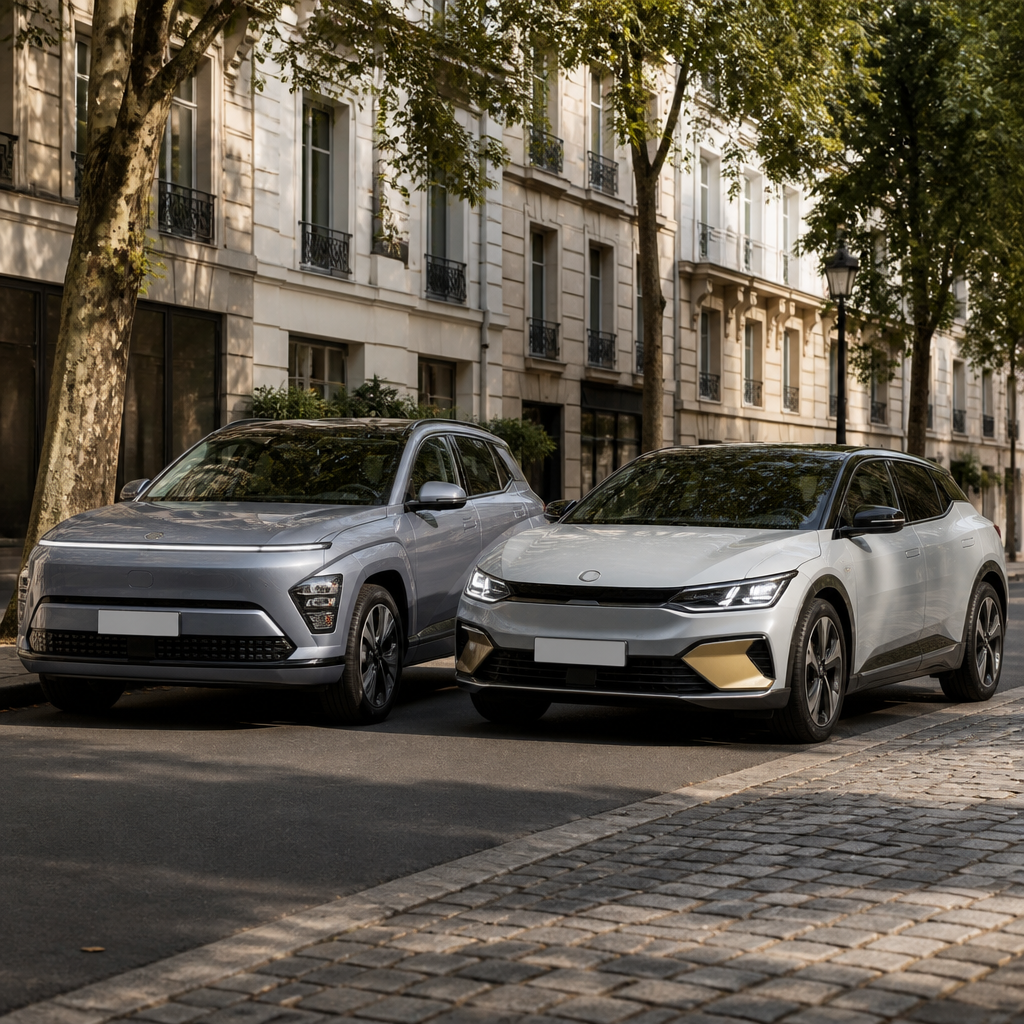
If you live in a dense European city, your car gets judged every day by tight parking bays, short trips with cold starts, and the occasional motorway run to see family. The Hyundai Kona Electric and the Renault Megane E-Tech come up again and again when buyers look for the best compact EV in Europe. Most people searching for a Hyundai Kona Electric vs Renault Megane E-Tech comparison want one answer: which car works better for city life without paying for space or range they will never use. This guide compares battery size, realistic range, charging habits, running costs, and the everyday details that decide the choice. We give a clear pick for city drivers and explain when the other car makes more sense.
Table of Contents
- Quick Takeaways
- Who Each Car Is Built For
- Battery, Range and the Kona 65kWh Question
- City Driving and Charging
- Running Costs and Depreciation
- Comfort, Technology and Practicality
- Head-to-Head Comparison
- Which Car Fits City Life
- Frequently Asked Questions
- References
Quick Takeaways
Key Insight
Explanation
Battery size is the first filter
Current UK Kona Electric trims are listed with a 65kWh pack, while the Megane E-Tech EV60 you will most often see advertised uses a 60kWh pack. More usable capacity helps on long weeks, but only if you actually drive those weeks.
The body shape changes your daily life
The Kona is a small SUV with a higher seating position. The Megane is a hatchback with a lower stance. Sit in both before you decide, because the driving position matters more than the spec sheet.
Judge range on your worst week
Cold weather, cabin heating and motorway stints pull real range well below the headline figure. Plan around the coldest, busiest week you expect, not the best day of the year.
Home charging decides the running cost
If you can charge overnight at home, both cars are cheap to run for city trips. If you rely on public chargers, check peak charging speeds for the exact trim and model year you plan to buy.
Compare monthly outgoings, not headline prices
Lease and finance deals vary widely by trim, market and date. Add up the monthly payment, insurance, energy and tyres before you compare two cars.
Pick by parking and passengers
Choose the Kona if you want height, a roomier feel for passengers and a larger battery option. Choose the Megane if you want a hatchback feel and a lower driving position for tight urban roads.
Who Each Car Is Built For
The two cars overlap on paper, but they feel different from the first mile. Both sit in the compact electric class that most European buyers shop for, yet they take different routes to get there. Your choice starts with the body shape, because that shapes visibility, entry and exit, and how the car feels in a multi-storey car park.
Kona Electric: a small SUV with a higher seating position
The Kona Electric follows the SUV formula, with a raised seating position and a more upright cabin. Many city drivers like this because it gives a clear view over traffic and parked cars, which helps when you are pulling out from a narrow junction. It also suits buyers moving from a small petrol SUV, since the driving position feels familiar.
In practice, the Kona suits people who carry passengers often, use roof bars or a bike rack, or simply want the feeling of sitting higher. If your daily routine involves kerb-hopping, a higher seat can make the car feel more secure. Test the rear seat with the seat set for your own height, because the sloping roofline can affect headroom for taller passengers.
Megane E-Tech: a hatchback with a lower, sportier stance
The Megane E-Tech is a hatchback, and it feels more like a traditional family hatch than a crossover. The lower seating position gives a more planted feel on fast roundabouts and bends, and many drivers find it easier to place the car accurately in a tight lane. Renault has built the Megane around a car-like driving experience, and that is the main reason many buyers consider it.
A common mistake is to choose the Megane for its looks alone, then discover that the lower seat is harder to get in and out of for older passengers or for anyone with mobility concerns. Check the entry height and the boot lip on your typical school run or shopping trip. Those two details matter more in daily use than most reviews admit.
Battery, Range and the Kona 65kWh Question
Battery size is where the Kona Electric 65kWh range question usually starts. Hyundai's UK website lists the Kona Electric with a 65kWh battery in its current trim line-up, and owner discussions show that an earlier Kona used a 64kWh pack before the facelift. The Megane E-Tech you will most often see listed in the EV60 form uses a 60kWh battery, which is the main size difference between the two in common listings.
What the 65kWh pack changes in daily use
A bigger usable battery gives you more buffer. In a city, that buffer covers the unplanned trip to a hospital, the detour when a road is closed, or the week when you drive further than normal. It also reduces the number of times you have to think about where the next charge is coming from.
The gap between 60kWh and 65kWh is not dramatic on its own. It becomes meaningful when you combine it with cold weather and a higher-speed commute. If your daily drive is short and you charge every night, the extra capacity is nice to have rather than essential.
Why real range drops faster than the brochure suggests
Range figures are measured under controlled conditions, and most owners never see them. Cold weather is the biggest drag, because cabin heating draws power from the same battery that moves the car. Short urban trips with long warm-up periods can also cut into your usable range more than a single long drive would.
Motorway speed matters too. Driving at a steady higher speed on a dual carriageway uses far more energy than gentle stop-start traffic in the city. A useful habit is to note the remaining range after your first full week of driving, then compare it with the number on the dashboard when you set off in the morning.
The range figure on a brochure is the best day a car will ever have. Plan around your coldest, busiest week and the car usually makes the decision easy.
Pro tip: Before you buy either car, ask the dealer which battery size is fitted to the exact trim you are considering. Trims with the same name can differ by market and model year, so do not rely on a general spec sheet for your final decision.
City Driving and Charging
For city drivers, the daily question is rarely top speed or peak range. It is whether the car fits the parking space, the turning circle and the charging routine without adding stress. Both cars handle urban roads well, but the way they reward good planning differs.
Parking, turning and tight streets
Parking is where the Kona and the Megane feel most different. The Kona's higher roofline and upright glass area make it easier to judge the edges of the car, especially when reversing into a narrow space. The Megane's hatchback rear and lower seat give you a shorter visual reference for the front, which some drivers find easier in tight lanes.
Before you buy, take both cars to the street where you park most often. Try a parallel space, a tight supermarket bay and a narrow residential street. That single test tells you more than any list of dimensions.
Home charging versus public charging
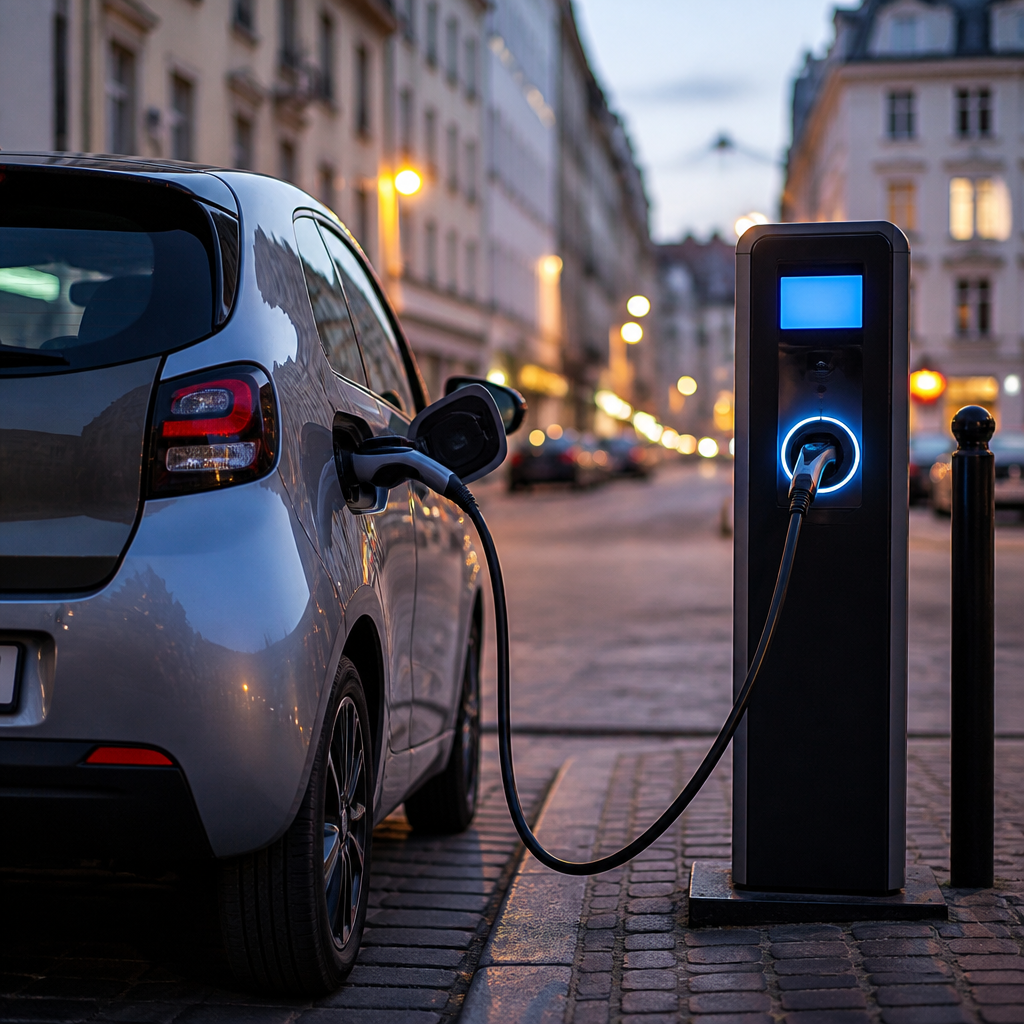
If you have a driveway or a dedicated charge point, home charging is the foundation of a cheap city EV. Plug in overnight and you start every day with a full battery, which removes most of the range anxiety that dominates first-time EV conversations. Ask whether your building or landlord allows a wall box, because flat dwellers often find this is the real blocker.
If you rely on public chargers, the decision gets more technical. Charging speeds depend on the battery, the charge point and the temperature of the pack, so one headline figure rarely tells the full story. Check the exact trim you want against the charging specification published for that model year, not against a general comparison table.
Pro tip: Map the three public chargers you would actually use within a short walk of home or work. A car that charges quickly at a motorway station is less useful if the chargers near your flat are often out of service.
Running Costs and Depreciation
Running costs are where many first-time EV buyers get caught out. The sticker price, the monthly payment and the energy bill all move in different directions, and a cheap headline deal can hide expensive trim levels or unfavourable terms. Treat the decision as a monthly budget, not a single price tag.
Reading lease and finance quotes properly
Owner forums often show monthly lease figures for both cars, and the numbers can differ by a wide margin. Those figures usually reflect a specific trim, deposit, mileage allowance and date, so they are useful only as a rough signal. Ask every dealer for the total cost over the term, including the deposit, fees and any end-of-contract charges.
When you compare two quotes, line up the same mileage allowance and the same contract length. A lower monthly payment on a shorter mileage deal can cost more in the long run if you drive more than expected. City drivers often underestimate their weekend mileage, so be honest about it.
Depreciation and resale questions
Depreciation is harder to predict for electric cars than for petrol cars, because battery technology and market demand are changing quickly. A car with a larger battery and a popular trim may hold value differently from a base model, so check used listings for both models in your region before you commit. Look at the trim and battery size in each listing, not just the model name.
A practical approach is to compare two or three recent used examples of each car, then note the asking prices and mileage. That gives you a realistic sense of how much value you might lose over three years. If you plan to keep the car for longer, depreciation matters less than reliability, warranty cover and charging convenience.
Comfort, Technology and Practicality
Once the battery and charging questions are settled, daily comfort decides whether you enjoy the car. A city car spends much of its life in traffic, so ride quality, seat comfort and cabin layout matter more than they do on a weekend road trip. Both cars aim for a modern, tech-heavy interior, but their character is different.
Rear seat and boot space for everyday families
If you regularly carry children or adult passengers in the back, measure your car seats before you test drive. Rear-facing seats need more space than most buyers expect, and the higher roof of the Kona can make rear headroom feel generous for taller adults. The Megane's lower roofline can feel more enclosed for passengers who sit in the back for long periods.
For boot space, put your normal load into the car during the test drive. A pushchair, a folding bike or a week of shopping tells you more than the official litres figure. Check the load lip and the shape of the opening, because awkward openings matter every day.
Infotainment, driver aids and daily usability
Modern EVs pack in screens, driver assistance features and app connectivity, and the quality of these systems varies a lot. Spend ten minutes setting up navigation, climate control and charging planning on each car. If the menus frustrate you in the showroom, they will frustrate you on a wet Tuesday morning.
Driver aids such as lane keeping and adaptive cruise control can be useful on the motorway, but some drivers find them intrusive in dense city traffic. Switch them on and off during the test drive so you know how each car behaves. A system you can easily tune is better than one you switch off after the first week.
Head-to-Head Comparison
The table below sums up the differences that matter most for city use. It does not replace a test drive or a check of the exact trim, but it helps you see which car fits your priorities before you visit a dealer. Use it as a starting point for your shortlist.
Factor
Hyundai Kona Electric
Renault Megane E-Tech
Battery in common listings
65kWh in current UK trims
60kWh in the EV60 form most often listed
Body style
Small SUV
Hatchback
Driving position
Higher and more upright
Lower and more planted
Best suited to
Buyers who want height, passenger space and the larger battery option
Buyers who want a hatchback feel and a lower driving position in tight urban roads
Main check before buying
Confirm battery size and charging speed for the exact trim
Confirm battery size and charging speed for the exact trim
The biggest mistake in this comparison is to treat the two cars as interchangeable because they share a segment. Each one answers a different daily need. Map those needs against your own week, and the right answer usually becomes obvious.
Which Car Fits City Life
For most city drivers who want one compact EV, the Kona Electric is the stronger pick if you value a higher seating position, a larger battery option and flexible passenger space. The Megane E-Tech is the better choice if you want a hatchback driving feel and a lower stance, and you are comfortable with a battery size that suits your typical week. Neither car is a bad buy, but the wrong match will frustrate you every morning.
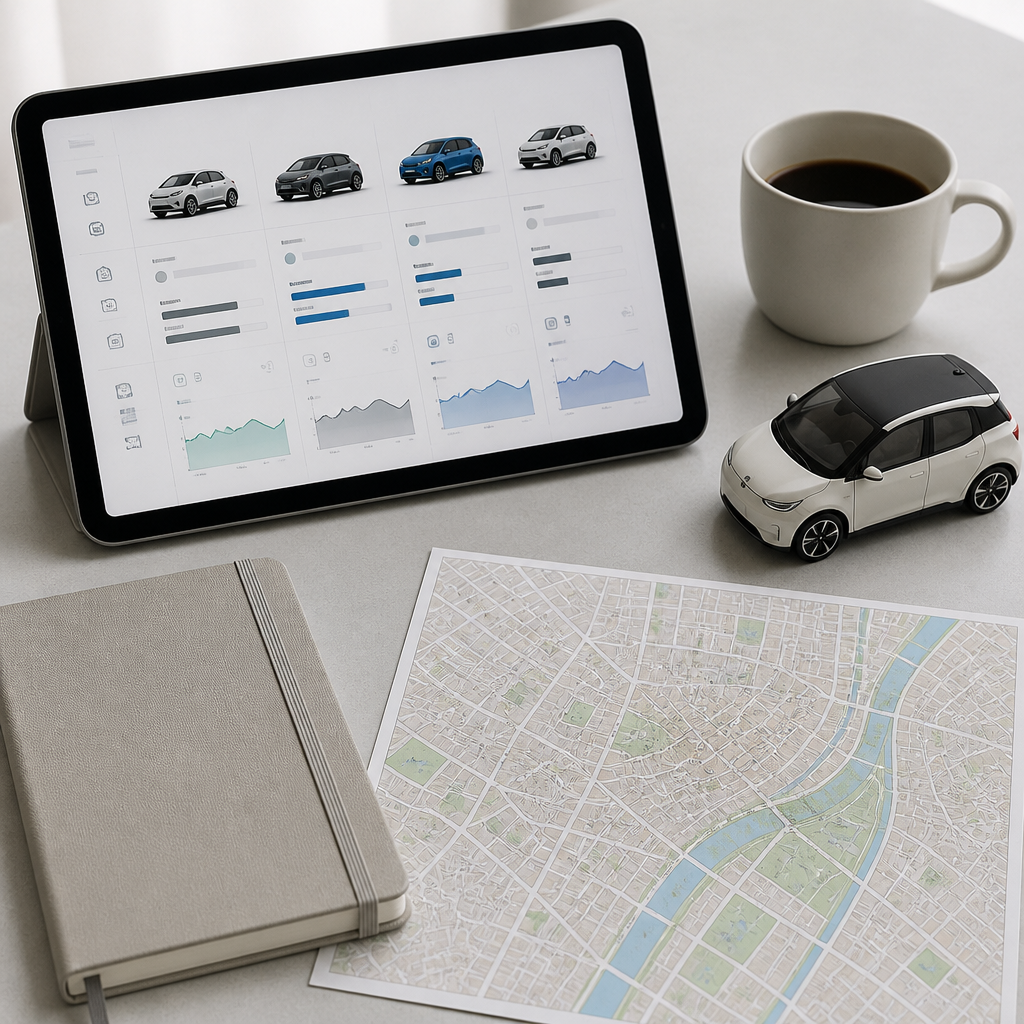
Your decision should start with your own driving pattern. Count your daily miles, your worst week, and the number of passengers you carry. Then test both cars on the roads you use most, because a short test drive on familiar streets gives you the answer faster than any comparison article.
Pro tip: Bring your own car seat, your usual shopping bag and your bike or pushchair to the test drive. A car that feels perfect in the showroom can feel cramped once your real life is in it.
Frequently Asked Questions
Is the Hyundai Kona Electric better than the Renault Megane E-Tech for city driving?
It depends on your priorities. The Kona suits buyers who want a higher seating position and a larger battery option, while the Megane suits those who prefer a hatchback feel and a lower stance. Test both on the streets you drive every day before you decide.
Does the Kona Electric 65kWh range match the figure on the brochure?
Rarely in everyday conditions. Cold weather, cabin heating, motorway speeds and short trips all reduce the usable range. Plan around your coldest and busiest week rather than the official figure.
Which battery does the Megane E-Tech usually come with?
The EV60 version you will most often see listed uses a 60kWh battery. Always confirm the battery size for the exact trim and model year you are considering, because trims can vary by market.
Is a compact EV like these cheaper to run than a petrol car in a city?
Often yes, especially if you can charge at home overnight. Public charging costs more and can reduce the saving, so factor in how you will charge before comparing running costs with a petrol alternative.
What should I check before buying a used Kona or Megane?
Check the battery size, the trim, the mileage and the service history, then compare at least two or three similar listings. Ask whether the warranty covers the battery and how the seller handles charging cables and documentation.
Tell us about your own experience: if you have driven either car in a city, which one would you choose and why?