Single vs Dual Motor EV for European Winters: Which to Buy
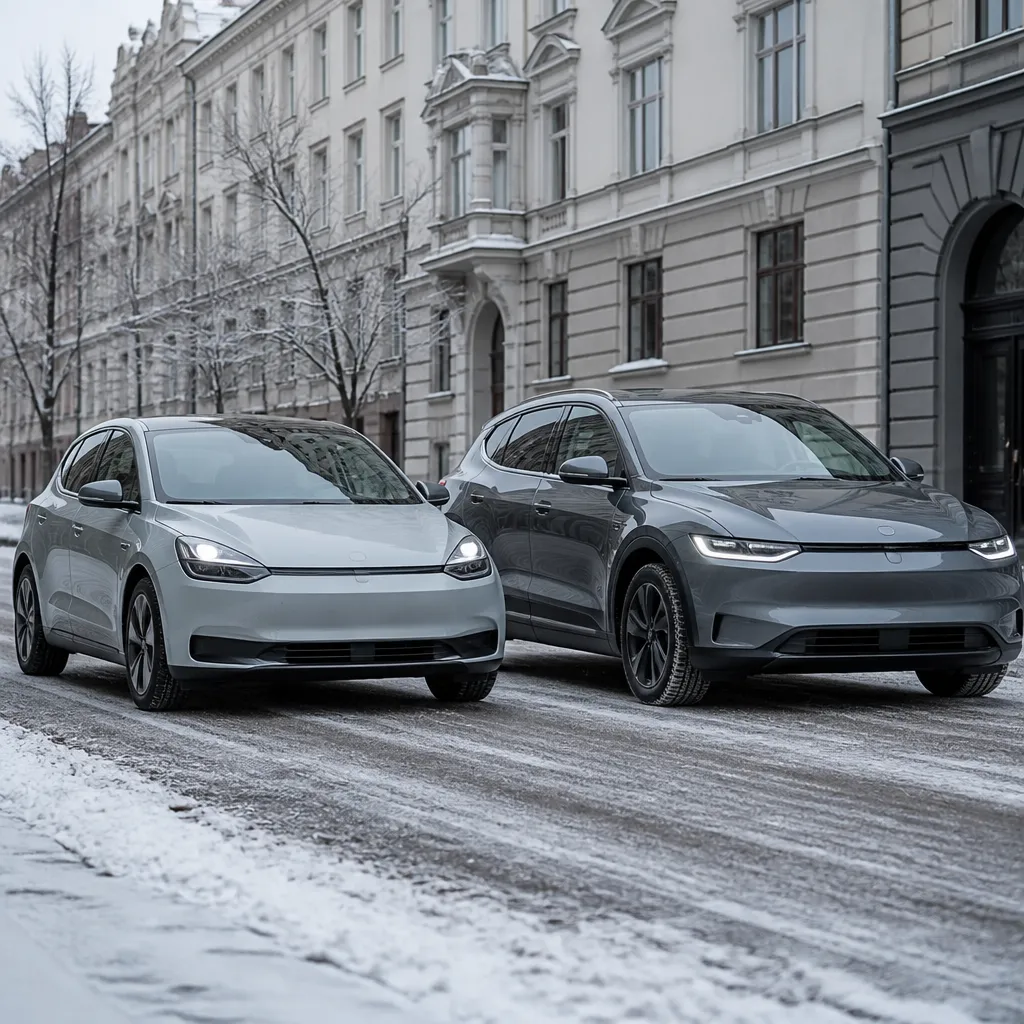
Comparing a single motor vs dual motor EV is one of the few drivetrain decisions that changes how a car behaves on a frozen slip road in February. Manufacturers usually present the second motor as a performance upgrade, but for European winter driving the useful question is narrower. What does independent torque to each axle actually buy on snow, ice and cold wet asphalt, and what does it cost in range, efficiency and purchase price? This guide answers that from a buyer's perspective, covering the mechanics, the trade-offs and the variables that matter more than the drivetrain itself.
Table of Contents
- Quick Takeaways
- How Single and Dual Motor Layouts Differ
- Winter Traction: Where the Second Motor Helps
- Cold-Weather Efficiency and Range
- Tyres and Ground Clearance Matter More
- Cost and Decision Rules for European Buyers
- Frequently Asked Questions
- References
Quick Takeaways
Key Insight
Explanation
Dual motor improves launch traction
Independent axle torque helps on snowy inclines and low-speed starts, where a single driven axle is most likely to spin.
AWD does not shorten stopping distance
Braking on ice depends on tyre adhesion at each contact patch, so a dual-motor car on summer tyres stops no better than a single-motor car on summer tyres.
Winter tyres outweigh drivetrain choice
On snow and ice, correctly sized winter-rated tyres often produce more grip than the presence of a second motor.
Expect a cold-weather efficiency penalty
A second drive unit adds mass and parasitic losses, which show up most clearly on long motorway runs in low temperatures.
Confirm the drive configuration, not the motor count
Some vehicles with two motors do not provide all-wheel drive, so check the specification for an AWD system.
Match the drivetrain to the access road
Single-motor cars suit urban and gritted-road winter use, while dual-motor cars justify their premium on steep or unmaintained snowy approaches.
How Single and Dual Motor Layouts Differ
The hardware difference is simpler than most listings suggest. A single-motor EV routes one motor to one axle through a single-speed reduction gear and a differential, and the rest of the car simply follows.
Single-motor power delivery
Because the driven axle is the only source of thrust, a rear-driven single-motor car can feel light at the front on snow, with steering load dropping during acceleration. Front-driven versions pull more predictably in a straight line but lose steering precision when the front tyres are overloaded with drive and steering demands at once. Regenerative braking acts only on the driven axle, so braking balance also differs between layouts.
Dual-motor torque distribution
A dual-motor EV sets torque for each axle independently and can shift it when wheel slip is detected. Some systems bias torque toward one axle at steady cruise and split it only on demand, which limits the efficiency penalty. The control logic varies by manufacturer, so two cars described as AWD can behave differently on the same ice.
Check the owner's manual for the drive modes and whether the system is permanently engaged or switches on automatically. That detail determines how the car behaves when the road surface changes mid-journey.
Winter Traction: Where the Second Motor Helps
The advantage of a second motor is concentrated in launch and low-speed traction. From a standstill on compacted snow or a slope, a dual-motor car can route torque to whichever axle has grip, which avoids the wheelspin a single driven axle produces on the same surface. The benefit is most visible on steep residential driveways, car park ramps and rural approaches.
Launch and hill starts on snow
On packed snow, a dual-motor car typically moves off with less throttle input and less stability-control intervention than a single-motor car fitted with the same tyres. That gap narrows considerably once both cars run on identical winter rubber, which is why tyre choice often matters more than the motor count. In practice, the second motor earns its keep on the first few metres of a hill, not on the open road.
Braking and cornering on ice
Four-wheel drive does not shorten stopping distance. Braking on ice depends on adhesion at each tyre, and cornering on a slippery surface is governed by the same limit. The extra motor helps only when it prevents a wheel from spinning under power, not once the car is already sliding.
Pro tip: Treat AWD as a launch and acceleration aid, not as a safety system that compensates for worn or summer tyres.
Cold-Weather Efficiency and Range
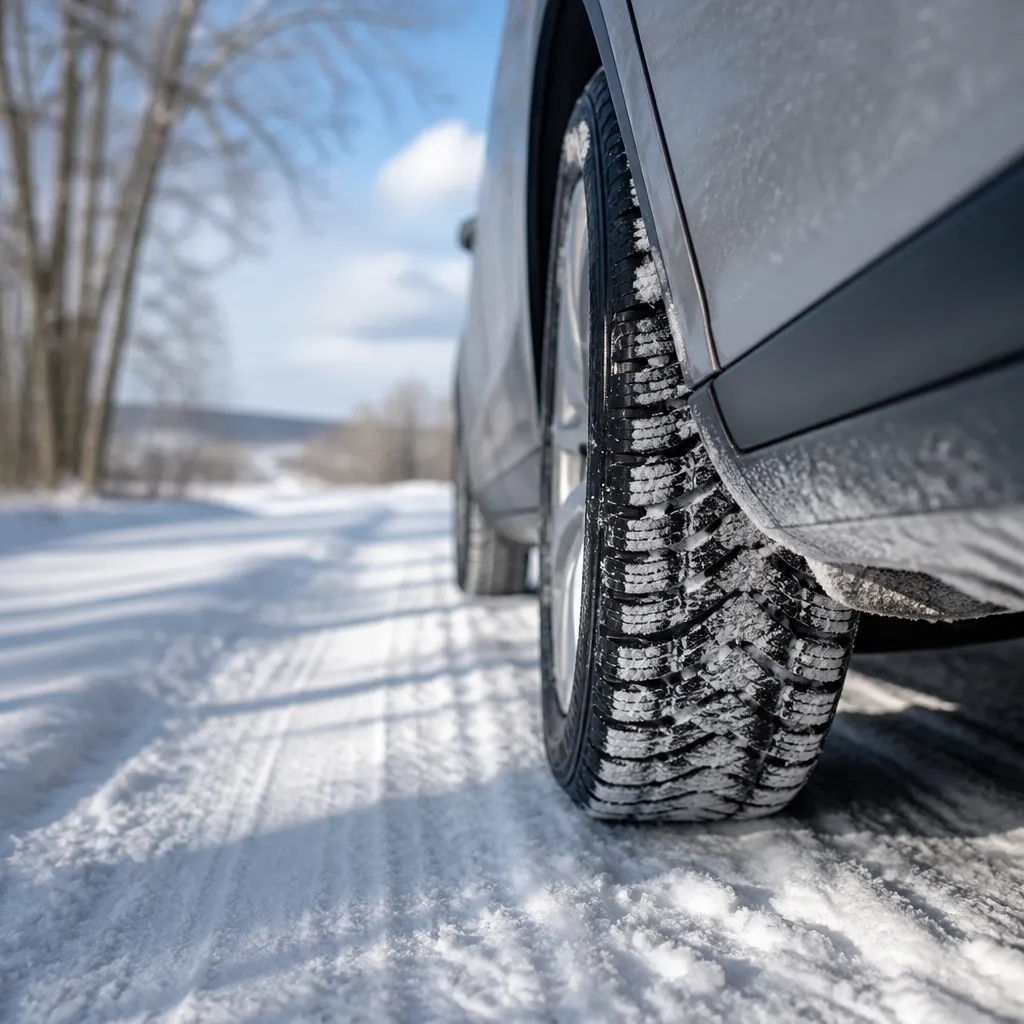
Winter efficiency is where the dual-motor case weakens. A second motor and its inverter add mass and parasitic losses, and on a motorway run the rear unit may be lightly loaded or disconnected for most of the journey, yet its penalties remain.
Energy cost of the second drive unit
The efficiency gap at steady speed is generally smaller than the cold-weather penalty itself, but it is additive rather than a substitute for it. A driver who mostly makes short urban trips may never notice the difference. A driver covering long motorway distances in January will.
Cabin heating and battery temperature
Cold batteries accept and deliver power less readily, and cabin heating draws from the traction pack in most designs. These two loads affect single-motor and dual-motor cars in the same way, so they should not be treated as drivetrain differences.
The drivetrain decides how the car gets its traction. Heating and battery temperature decide how far it gets on a cold morning.
Pro tip: Precondition the battery while the car is still connected to a charger, so the pack reaches operating temperature before departure without drawing from the battery. Use seat and steering wheel heaters where available, since they heat occupants more efficiently than cabin air.
Tyres and Ground Clearance Matter More
For most European winter driving, the tyre is the largest single determinant of grip, and drivetrain configuration ranks second. A single-motor car on certified winter tyres will generally outperform a dual-motor car on all-season or summer rubber in snow and cold wet conditions. Buyers tend to underweight this point when comparing trims.
Winter tyre compound and fitment
Winter-rated compounds stay flexible at low temperatures, and their tread designs clear slush more effectively than summer or all-season patterns. Check the tyre sizes available for the specific trim before buying. Performance variants may carry larger wheels as standard, which can leave fewer winter tyre options and a higher cost per set.
Ground clearance and underbody protection
Dual-motor variants in some ranges sit at different ride heights or include different underbody protection. Snow packing under the body and in the wheel arches affects both configurations, but a lower-slung car needs more care on uneven, snow-covered access roads. Verify the ground clearance in the manufacturer specification rather than assuming it from the drivetrain.
Layout
Winter Traction Behaviour
Cold-Weather Trade-off
Single rear motor
Drives the rear axle only, with oversteer risk under power on slippery surfaces
Lowest mass and drag, typically the most efficient of the three in winter
Single front motor
Stable straight-line pull, but steering load builds under acceleration on snow
Light and efficient, though the front tyres carry both drive and steering demands
Dual motor with AWD
Torque split between axles, with the strongest launch on snow and ice when tyres are matched
Extra mass and parasitic losses, plus a higher purchase price
Cost and Decision Rules for European Buyers
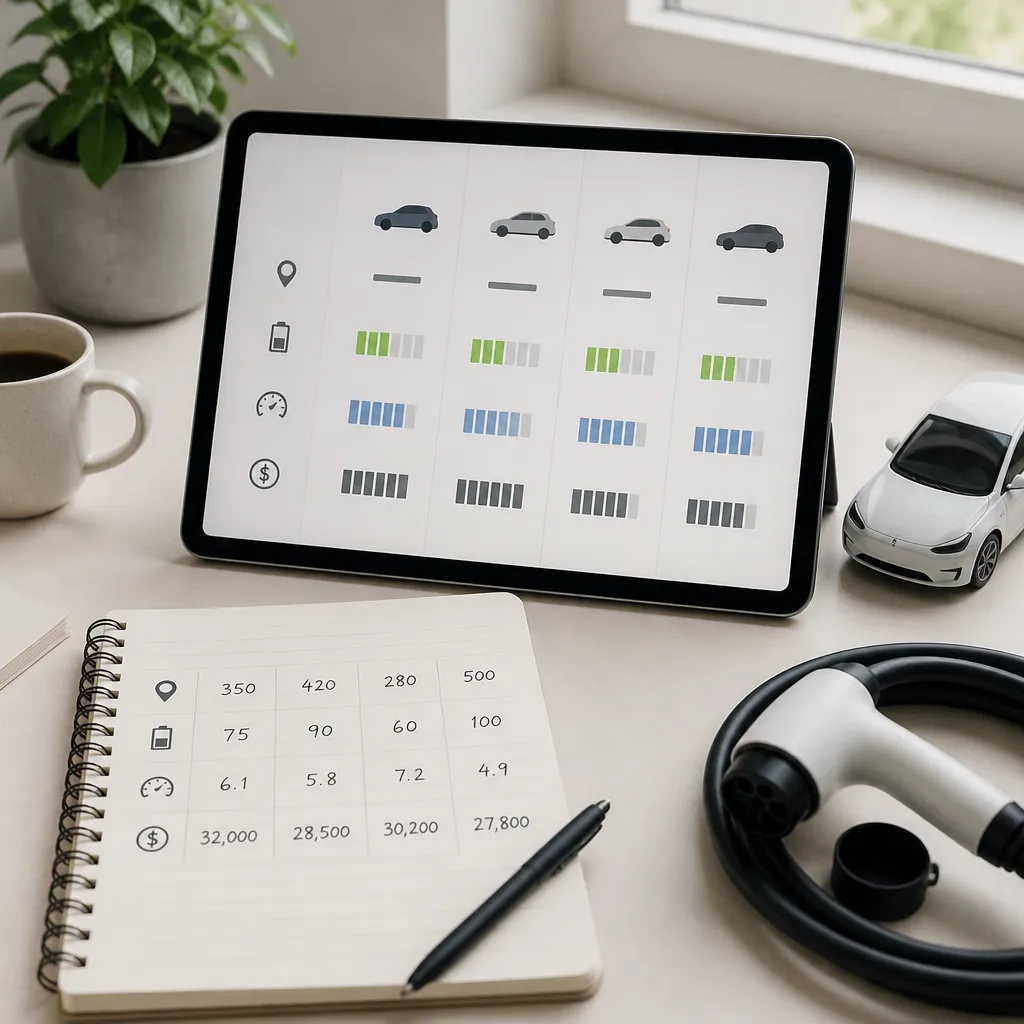
The dual-motor premium is paid at purchase, in running energy costs and in tyres. Higher-performance variants often carry larger wheels, which raise the cost of a full winter tyre set. That replacement cost is one of the less visible ownership expenses.
Purchase premium and running costs
Compare the total price of each trim, not just the drivetrain. Include the cost of a second wheel and tyre set, and estimate the extra energy consumption across your typical annual mileage. The ownership cost calculator can help you test whether the premium pays back on your own driving pattern.
Decision rules by driving pattern
Choose a single-motor car with winter tyres if your winter driving is mostly urban or on gritted roads, you can charge at home, and range matters more than launch traction. Choose a dual-motor car if you regularly face steep, unmaintained or unsalted snowy approaches and accept the efficiency and price trade-off. A single-motor car will not fail on a typical European winter route, but it will be more sensitive to tyre quality.
Pro tip: When test driving in cold weather, compare both variants on the same tyres. A dual-motor car on summer tyres will look better than it performs in winter, and the comparison will mislead you.
Frequently Asked Questions
Is a dual-motor EV necessary for European winters?
Not for most drivers. A single-motor EV on correctly sized winter tyres handles typical snowy and icy urban and motorway conditions well. A dual-motor car earns its premium mainly on steep or unmaintained access roads and on frequent low-speed starts in snow.
Does AWD help with braking on ice?
No. Braking depends on tyre adhesion at each contact patch. All-wheel drive improves traction under acceleration, but it does not shorten stopping distance on ice.
Do dual-motor EVs use more energy in winter?
Generally yes, because a second drive unit adds mass and parasitic losses. The difference is most noticeable on long highway runs, and it adds to the cold-weather penalty from cabin heating and battery temperature rather than replacing it.
Are all dual-motor EVs all-wheel drive?
No. Some vehicles have two electric motors without a system that drives all four wheels, so confirm the drive configuration in the specification rather than relying on the motor count.
What matters most for winter grip on an EV?
Tyres. Winter-rated tyres in the correct size for your trim affect grip, braking and steering more than the drivetrain layout does. Drivetrain choice matters mainly for launch traction on slippery surfaces.
Which drivetrain did you choose for your winter driving, and did real-world traction match what you expected?