Switching from Petrol to Electric Car: A Step-by-Step Guide
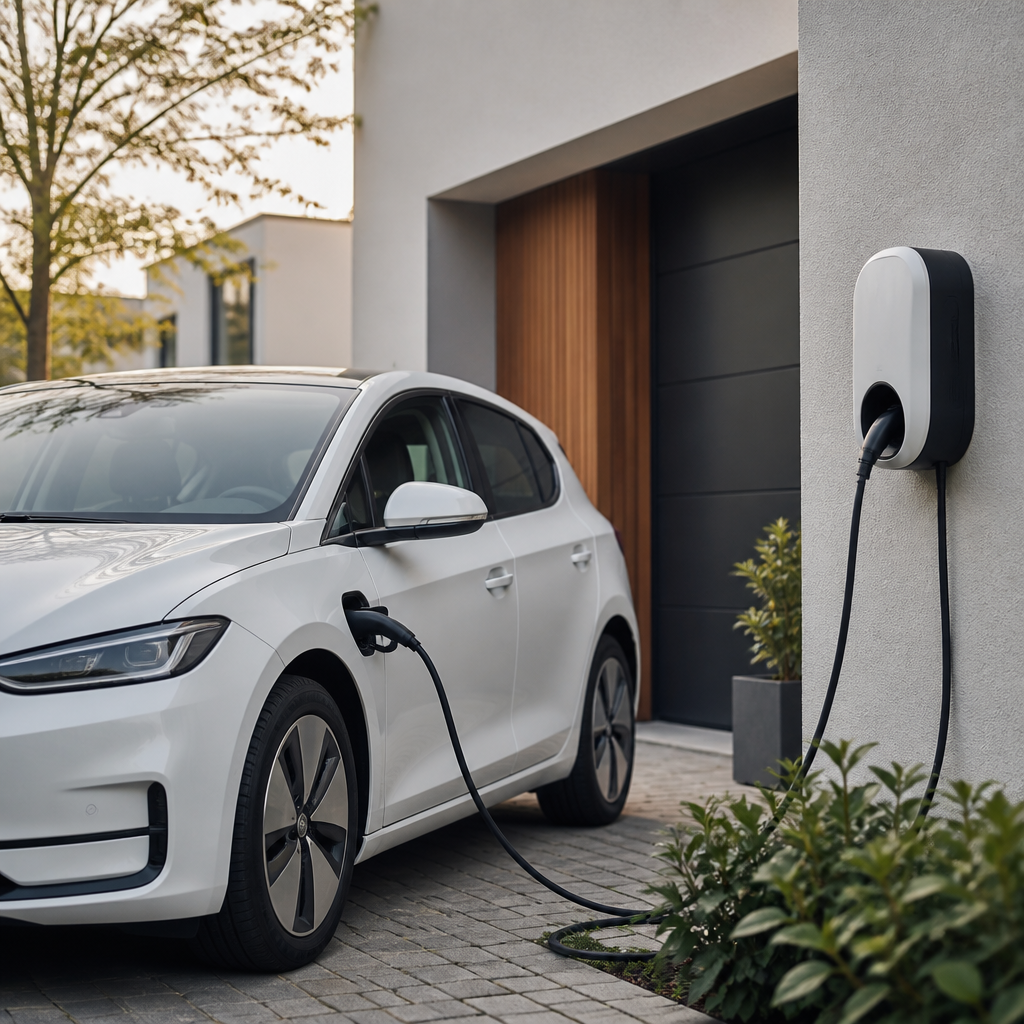
Switching from petrol to electric car is less about the car itself and more about changing how you plan your week. If you have spent years filling up at a forecourt, the first few months feel strange: you plan trips around charging stops, you check battery levels before you leave, and you wonder whether the savings are real. For most first-timers in the EU and UK, the switch works well, but only if you follow the right sequence. This guide walks through that sequence, from auditing your driving to your first month of ownership, with the trade-offs we see most often.
Table of Contents
- Quick Takeaways
- Start With Your Driving Pattern
- Choosing Your First Electric Model
- Running Costs and Ownership Math
- Home Charging and Public Networks
- Grants, Incentives and Timing
- Your Step-by-Step Switching Plan
- Common Mistakes First-Time Switchers Make
- Frequently Asked Questions
- References
Quick Takeaways
Key Insight
Explanation
Map your real weekly mileage first
Many buyers guess their mileage. A month of real readings from a trip log is far more reliable when you shortlist models.
Test range in winter conditions
Cold weather, heating and motorway speeds all reduce usable range, so judge a car by the hardest month you expect, not the brochure figure.
Home charging shapes the whole experience
If you cannot charge overnight at home or at work, the daily routine will feel harder than the car itself.
Compare running cost, not just sticker price
Energy is generally cheaper than petrol per kilometre, but purchase prices can be higher, so model several years of ownership.
Check grant eligibility model by model
In the UK, some new zero emission vehicles qualify for a government grant, so eligibility depends on the exact car, not the brand.
Get battery warranty terms in writing
Warranty length and conditions vary by manufacturer and model, so ask the dealer for the exact wording before you sign.
Start With Your Driving Pattern
Most switches that go wrong start with a guess about mileage. Before you look at a single model, write down how far you actually drive in a typical week, including the school run, the weekend shop and the occasional longer trip. In practice, four weeks of real numbers from a phone trip log or a notebook will beat any estimate made from memory.
Once you have those numbers, the question changes from "Which EV should I buy?" to "Which EV covers my normal week with margin to spare?" A car that handles your daily 60 km comfortably is a much safer first choice than one that only just covers your average. Build in a buffer for cold mornings, heating, passengers and faster roads, because all of these pull usable range down.
Log Your Real Weekly Mileage
Split your driving into three groups: short local trips, regular commuting and occasional long journeys. Most households find that short trips dominate, which is good news, because they are where a home charger pays off fastest. Keep the long-journey group honest, though. A few long trips a year still shape your charging plan, so do not leave them out of the calculation.
Check Whether You Can Charge at Home
Before you shortlist, confirm where the car will sleep. If you have a driveway or a dedicated space with access to power, home charging is straightforward. If you park on the street or in a shared car park, you need a realistic public charging plan, and that changes which models and budgets make sense. Ask your landlord or building management in writing whether a charger can be installed before you commit.
Choosing Your First Electric Model
Your first EV does not need to be the longest-range car on the market. It needs to fit your driving pattern, your parking situation and your budget, roughly in that order. For many first-timers, the bigger decision is how you acquire the car, because buying, leasing and buying nearly new each carry different risks.
Option
Main Trade-off
Best Fit for First-Timers
Buy a new EV outright
Highest upfront outlay, but full manufacturer warranty cover and the widest choice of models
Buyers who plan to keep the car for several years
Lease an EV
Lower monthly payments, but mileage limits and a fixed end date
Drivers who want to test EV life before committing
Buy a nearly new used EV
Lower price, but battery condition and remaining warranty need careful checking
Buyers comfortable arranging a pre-purchase battery check
Real-World Range Versus the Brochure Figure
Manufacturers publish range figures under standardised test conditions, and your results will differ. Cold weather, higher speeds, heating and a fully loaded car all reduce the distance you get from a charge. Look for independent real-world range data for the specific model and trim, and compare it against your hardest month of the year rather than your best one. A car that covers your winter week with some margin is more useful than one that only works in summer.
Test Drives That Actually Tell You Something
A ten-minute loop around the dealer block tells you very little. Ask for a drive that includes a motorway section, stop-start urban traffic and a hill if your route has one. Pay attention to regenerative braking settings and one-pedal driving, because they change how the car feels on your daily route. Check the plug type and the included charging cable against your home socket or wallbox before you sign anything.
Running Costs and Ownership Math
Running costs are the argument most switchers rely on, and it is largely sound. Official guidance on electric vehicle benefits notes that energy costs are generally lower than for similar conventional vehicles, while purchase prices can be significantly higher. That gap is the central arithmetic of your switch, so model it with your own numbers instead of assuming the answer.
Electricity Versus Petrol Per Kilometre
Work out your cost per kilometre for both options using your own tariffs. For petrol, use the pump price you actually pay and your car's real consumption, not the official figure. For electricity, compare your home tariff against public charging rates, because the gap is large. Charging at home is almost always the cheapest option, and fast public charging costs more per kilometre than many drivers expect.
Our Ownership Cost Calculator lets you run these numbers side by side, so you can see how your mileage and tariffs change the result over several years.
Maintenance: What Actually Changes
EVs have fewer moving parts than combustion engines, so routine servicing is usually lighter. There is no oil change, no spark plug replacement and no exhaust to corrode. Brake pads can last longer because regenerative braking does much of the slowing, but they still need checking at service. Tyres on heavier EVs can wear faster, so budget for them specifically, and get insurance quotes before you commit because they can differ from petrol equivalents.
Battery Life and Warranty Terms
The battery is the part most first-timers worry about, and official guidance keeps the picture measured. EV batteries are designed for extended life but will eventually wear out. Several manufacturers offer 8-year battery warranties, often with a mileage limit, and the exact terms differ by model. Replacement outside warranty may be a significant expense, so read the wording and check whether it covers capacity loss or only outright failure.
Home Charging and Public Networks
Charging is where most first-time EV owners either relax or start to panic. UK local government analysis describes the relationship between EVs and charging infrastructure as one of the greatest challenges to wider adoption, a "chicken and egg" problem where drivers hesitate without chargers and investment hesitates without drivers. For you, the practical meaning is simple: public networks are improving but uneven, so home or workplace charging must carry most of the load.

Setting Up Home Charging
Ask for a home charging survey before you buy the car, not after. A competent installer will check your supply capacity, cable route and meter arrangement. Some installers recommend a dedicated wallbox, while others accept a standard socket for light use, and the right answer depends on the car's onboard charger and your daily distance. Keep the installation invoice and charger documentation, since you may need them for insurance or for any incentive claim.
Public Charging Without Surprises
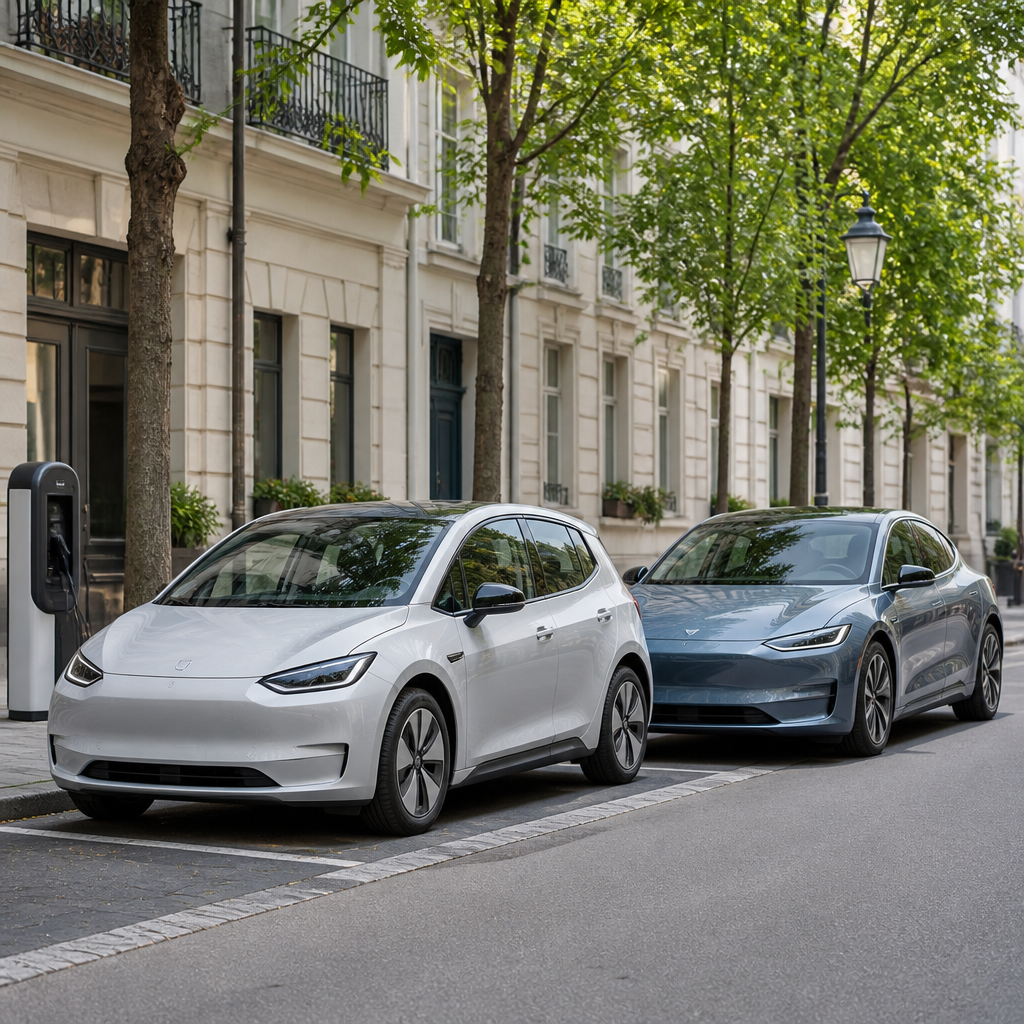
Set up the charge-point app and payment method before you need a charger, because many networks require an account or card that works only on their system. Check whether a charger has its own tethered cable or needs one you bring, and note the plug type. A broken or occupied charger can ruin a long day, so map at least two options on every leg of a long journey.
Pro tip: Before your first long trip, do a practice run to a public charger near home. You will learn how the app, payment and plug behave on a calm day rather than in a rush.
Planning Longer Journeys
For longer trips, plan charging stops around the breaks you would take anyway, rather than waiting until the battery is nearly empty. Charging typically slows as the battery fills, so a shorter stop often gives you more usable distance per minute than a long one. Know where the next alternative charger is at every stop, because a single out-of-service site should not strand you.
Grants, Incentives and Timing
Government support can change the maths of your purchase, but it varies by country and by vehicle. In the UK, government grant guidance confirms that some new zero emission vehicles are eligible for a grant, which means they can be bought more cheaply. Eligibility is decided at vehicle level, so do not assume that because one model qualifies, every car in the same range does.
UK Grant Eligibility Checks
Check the official eligibility list for the exact model and specification before you place an order. Ask the dealer to confirm in writing that the grant applies to the car you are buying, and keep copies of everything. A verbal assurance from a salesperson is not enough. If a grant is part of your budget, confirm it before you sign, not after delivery.
Checking Incentives Across EU Member States
Incentives across EU member states vary by country, by region and by year, and they change more often than most buyers expect. Some countries offer purchase support, others offer company car tax advantages, reduced registration fees or access to low emission zones. Check your national government site and any relevant regional authority rather than relying on a forum post from last year. Schemes can close or shrink with little warning, so set a reminder for the deadline.
Deciding When to Switch
Timing matters less than most people think, and waiting for prices to drop can become a trap. Official guidance expects battery prices to keep declining and purchase prices to move closer to conventional cars as production grows, but nobody can time that precisely. If your petrol car is reliable and your charging is sorted, switch when your finances and routes suit it. If your petrol car is about to need a costly repair, that is usually the moment to act.
The cheapest electric car is usually the one whose charging you have already solved, not the one with the lowest sticker price.
Your Step-by-Step Switching Plan
If you want one practical path, follow this sequence. It works whether you live in a dense city or a rural village, because the steps depend on your driving and charging rather than on your postcode. Most first-timers who finish the switch with no regrets do these steps in order.
Week One: Audit and Shortlist
Finish your mileage log, confirm your parking and charging options, and write a budget that covers insurance and charging, not just the purchase price. Shortlist three models that fit your route with margin. More than three options usually makes the decision harder, not better.
Weeks Two to Four: Test and Compare
Book two or three test drives on the same day if you can, so the comparison stays fresh. Compare real-world range data for each model, the charging speeds you would meet on your usual stops, and the warranty terms. Use our side-by-side vehicle comparison to line up the figures that matter for your driving, rather than only the headline range.
Handover Day Checklist
On collection day, check the charging cable, the app login, the plug type and the warranty paperwork. Ask the dealer to show you how to set the charge limit and preconditioning, since both affect range and battery health. Complete one full charge at home before your first long drive, so you know how much range the car gives you on your own roads.
Common Mistakes First-Time Switchers Make
Most problems first-timers report are predictable. They come from buying on headline numbers, skipping the charging check or expecting petrol habits to carry over unchanged. Avoiding these three mistakes will save you more frustration than any single feature on a spec sheet.
Buying on Headline Range Figures
The best-case range printed in marketing material is the number people remember, and it is often the number that disappoints them in January. Judge a car by how it performs in the conditions you actually face. A model that suits a mild summer commute may struggle on a cold motorway run with the heater on.
Skipping the Charging Check
Buyers who assume they can charge anywhere often discover that their street has no access and the nearest public option is a long walk away. Solve charging before you choose the car. The model matters less than whether you can plug in when you get home on a dark winter evening.
Driving the Car Like a Petrol Car
EVs reward smooth driving, and they respond differently to acceleration and braking. Drivers arriving from petrol often accelerate harder than they need to and then wonder why range disappoints. Spend the first fortnight learning how regenerative braking, eco modes and heating affect your route, and the difference shows up quickly.
Pro tip: Set a calendar reminder for a first-month review. Note your real kilometres per kWh, the public chargers you used and any surprises, then decide whether your shortlist or your home charging needs changing.
Frequently Asked Questions
How long does a realistic switch from petrol to electric car take?
A realistic timeline is a few weeks, and most of that time goes on charging setup and test drives rather than on the car itself. Rushing the charger installation is the step most likely to cause regret.
Do I need a home charger before I buy an EV?
Not always, but you need a credible charging plan before you buy. If you park on the street or in a shared car park, confirm your public options and their costs before you commit to a model.
Is an electric car cheaper to run than a petrol car?
Official guidance says energy costs are generally lower than for similar conventional vehicles, but purchase prices can be significantly higher. Whether you come out ahead depends on your mileage, your electricity tariff and how long you keep the car, so model it with your own numbers.
What happens to the battery after several years?
EV batteries are designed for extended life but will eventually wear out. Several manufacturers offer long battery warranties, and replacing a battery outside warranty may be expensive, so read the warranty terms before you buy.
Can every electric car in the UK get a government grant?
No. Some new zero emission vehicles are eligible for a government grant, and eligibility depends on the specific vehicle. Check the official list for the exact model before you order.
Are electric cars practical for long trips across Europe?
Yes, provided you plan charging stops around your breaks and keep a backup charger in mind for each leg. The main limits are charger availability and reliability on your route, which vary by country, so check before you travel.
Share your experience with us: what was the one surprise you ran into during your first month of switching from petrol to electric car?