Volvo EX30 vs Mini Countryman Electric in Northern Winters
Written by Andrii Sytnyk, wise-ev.me founder
https://threads.com/@sytnyk_andrii
Volvo EX30 vs Mini Countryman Electric is a comparison that looks settled on paper and changes character in a Northern European January. Both are compact electric crossovers that buyers in the EU and UK cross-shop, but their winter performance depends on factors that headline range figures do not capture.
Battery thermal management, cabin heating method, tyre choice and cold-weather charging speed decide how much usable range remains by the time the car reaches its destination. This article compares the two on those points, separates what published sources support from what must be checked on a specific trim, and gives a clear verdict.
Table of Contents
- Quick Takeaways
- Why Northern winters separate compact EVs
- Volvo EX30 winter behaviour
- Mini Countryman Electric in cold weather
- Side-by-side winter factors
- Tyres, charging and winter logistics Winter tyres and traction Tyre choice moves grip and consumption more than most drivetrain differences on a typical commute. Winter-rated compounds stay pliable at low temperatures, while summer tyres stiffen and lose grip, so running the wrong tyre costs stopping distance from the first cold morning. Tyres marked for EV use typically carry higher load ratings to handle the extra mass. Check tyre size against the wheel options on the car you configure, because rolling diameter affects the displayed range estimate. Some buyers fit smaller winter wheels for this reason and to protect the alloys from road salt. Public DC charging in freezing conditions Public fast charging is where cold weather costs time as well as range. A cold pack accepts less power until it warms, so a stop planned on a mild day can run much longer in January. Use navigation that routes battery preconditioning to the charger, and plan around the arrival state of charge rather than the departure figure. Pro tip: Plan winter stops with the arrival margin you would accept on a summer trip, plus an allowance for slower charging on a cold pack. Treat any stop that depends on full power as unconfirmed until the car has warmed. Which compact EV suits a northern winter
- Frequently Asked Questions
- References
Quick Takeaways
Key Insight
Explanation
Usable range falls before the cold becomes extreme
Battery internal resistance rises at low temperature. Plan routes on measured winter consumption rather than the summer headline figure.
Confirm the heating method on your exact trim
A heat pump reduces cabin heating draw, but fitment varies by trim and market. Do not assume it from the model name.
Preconditioning on mains power is the cheapest range gain
Warming the cabin and pack while still connected draws energy from the charger instead of the battery.
Tyres move the result more than drivetrain
Winter-rated tyres change grip and consumption on a typical commute. All-wheel drive mainly helps acceleration and hill starts, not stopping distance.
The Countryman Electric trails rivals on published range
Car and Driver notes that the Countryman Electric falls short of rivals on electric driving range. Treat that as a starting deficit before cold losses apply.
A cold pack slows public charging
DC charging power is limited until the pack warms. Route winter stops with battery preconditioning enabled.
Why Northern winters separate compact EVs
Cold weather hits a compact EV in two places at once: the battery chemistry and the energy budget for keeping the cabin habitable. Lithium-ion cells have higher internal resistance at low temperature, which reduces both charge acceptance and available discharge power. The loss is most pronounced on cold starts and short trips, where the pack never reaches its working temperature.
Battery temperature and usable capacity
A pack that starts cold is limited in what it can accept and deliver. On arrival at a fast charger, a cold battery can restrict charging power until it has warmed, so a 10-to-80 percent session on a winter morning can run noticeably longer than the same session in summer. Active thermal management heats the pack, but that heating draws energy from the pack or from the charger, depending on whether the car is connected.
Heat pump versus resistive heating
Cabin heating is usually the largest winter draw for a compact EV in a northern climate. A resistive heater converts electricity directly into heat, while a heat pump moves heat from the outside air and uses less electricity per unit of heat, though its efficiency falls as ambient temperature drops. Whether a car carries a heat pump is a trim and market question, so the specification sheet matters more than the model name.
In winter, the efficiency of a compact EV is set less by its peak range than by how much energy its heating and battery conditioning consume before the wheels turn.
Volvo EX30 winter behaviour
The EX30 is the easier of the two to verify, because Volvo publishes its electric specifications on its official site. Battery capacity, charging figures and drivetrain options are listed there, and they vary between configurations. Start with the page for your market, then compare the trim you would actually buy rather than a single range figure.
What the manufacturer specification establishes
The official specification page is the reference for battery size and charging hardware, which set the energy ceiling for winter driving. Cabin heating method should be confirmed separately for the trim, because it changes how much of that ceiling survives a cold commute. Ask the retailer to confirm it in writing against the specific vehicle before comparing winter figures with any other car.
Range loss on cold mornings
Cold-morning losses are the figure owners notice first, because the early kilometres after an overnight soak carry the highest penalty. Preconditioning while the car is connected moves the cabin and battery to working temperature using grid power, which keeps stored energy available for driving. A car unplugged and driven immediately draws on the pack for the same warm-up.
Pro tip: Set departure time and preconditioning before unplugging, and keep the cable connected until the car leaves. On a home charger, this moves the warm-up energy off the battery and out of the trip's usable range.
Mini Countryman Electric in cold weather
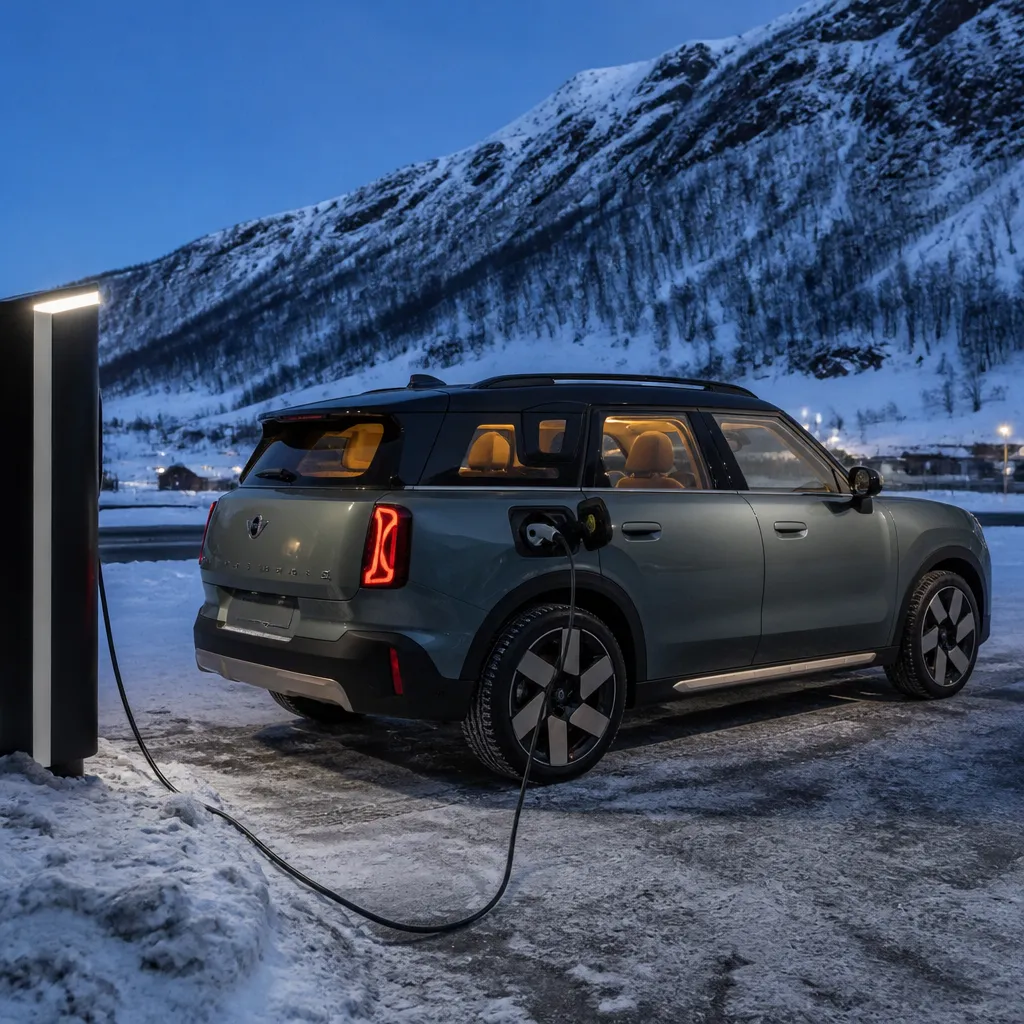
The Countryman Electric is the weaker of the two on published range. Car and Driver's EX30 review page includes a comparison note stating that the Countryman Electric delivers Mini's fun-to-drive road manners but falls short of rivals on electric driving range. In winter, that starts the car with less energy headroom before heating and tyre losses are applied.
What published reviews say about electric range
A range deficit against rivals is a baseline issue, not a winter-only one. On a long winter highway leg, a shortfall that looks small in summer can decide whether an unplanned charging stop is needed. Buyers who regularly drive long distances in sub-zero conditions should weigh this point above handling.
Winter stability and driving dynamics
Eleport's cold-weather guide lists the Mini Countryman among cars for buyers who want compact dimensions without winter anxiety, although it is a general buying guide rather than a measured test. The fun-to-drive character reviewers praise is also a reason to keep speeds controlled on wet or icy surfaces, where grip changes quickly. On snow, all-wheel drive improves traction when accelerating and climbing, but it does not shorten braking distance, so tyre choice remains the first variable to fix.
Side-by-side winter factors
Comparing these two cars on winter performance means separating three levers that act on the same energy budget. Cabin heating method, battery preconditioning and tyre choice each change usable range, and each carries a different cost. The table below sets them out as approaches a buyer can choose or verify.
Cabin heating methods compared
Approach
How it works in cold weather
Trade-off for the buyer
Heat pump cabin heating
Moves heat from outside air into the cabin, drawing less electricity per unit of heat
Efficiency falls at low ambient temperatures, and fitment depends on the trim
Resistive PTC heating
Converts electricity directly into heat
Simple and effective in severe cold, but draws more from the pack when unplugged
Scheduled preconditioning on mains power
Heats the cabin and battery while connected to a charger
Requires a charger and set timing, and gives the least benefit on unplanned trips
The heating approach matters most when the car is parked outdoors and used for short trips. A heat pump trim with scheduled preconditioning is the combination that keeps the most energy available for driving.
Preconditioning as a range strategy
Preconditioning shifts the most expensive part of a cold start onto mains power. The effect is largest on daily commutes that begin from an unheated location, because every morning starts from the coldest state. Buyers who mostly charge at work or at public points should confirm that the car supports departure scheduling through its app before ordering.
Tyres, charging and winter logistics
Winter tyres and traction
Tyre choice moves grip and consumption more than most drivetrain differences on a typical commute. Winter-rated compounds stay pliable at low temperatures, while summer tyres stiffen and lose grip, so running the wrong tyre costs stopping distance from the first cold morning. Tyres marked for EV use typically carry higher load ratings to handle the extra mass.
Check tyre size against the wheel options on the car you configure, because rolling diameter affects the displayed range estimate. Some buyers fit smaller winter wheels for this reason and to protect the alloys from road salt.
Public DC charging in freezing conditions
Public fast charging is where cold weather costs time as well as range. A cold pack accepts less power until it warms, so a stop planned on a mild day can run much longer in January. Use navigation that routes battery preconditioning to the charger, and plan around the arrival state of charge rather than the departure figure.
Pro tip: Plan winter stops with the arrival margin you would accept on a summer trip, plus an allowance for slower charging on a cold pack. Treat any stop that depends on full power as unconfirmed until the car has warmed.
Which compact EV suits a northern winter
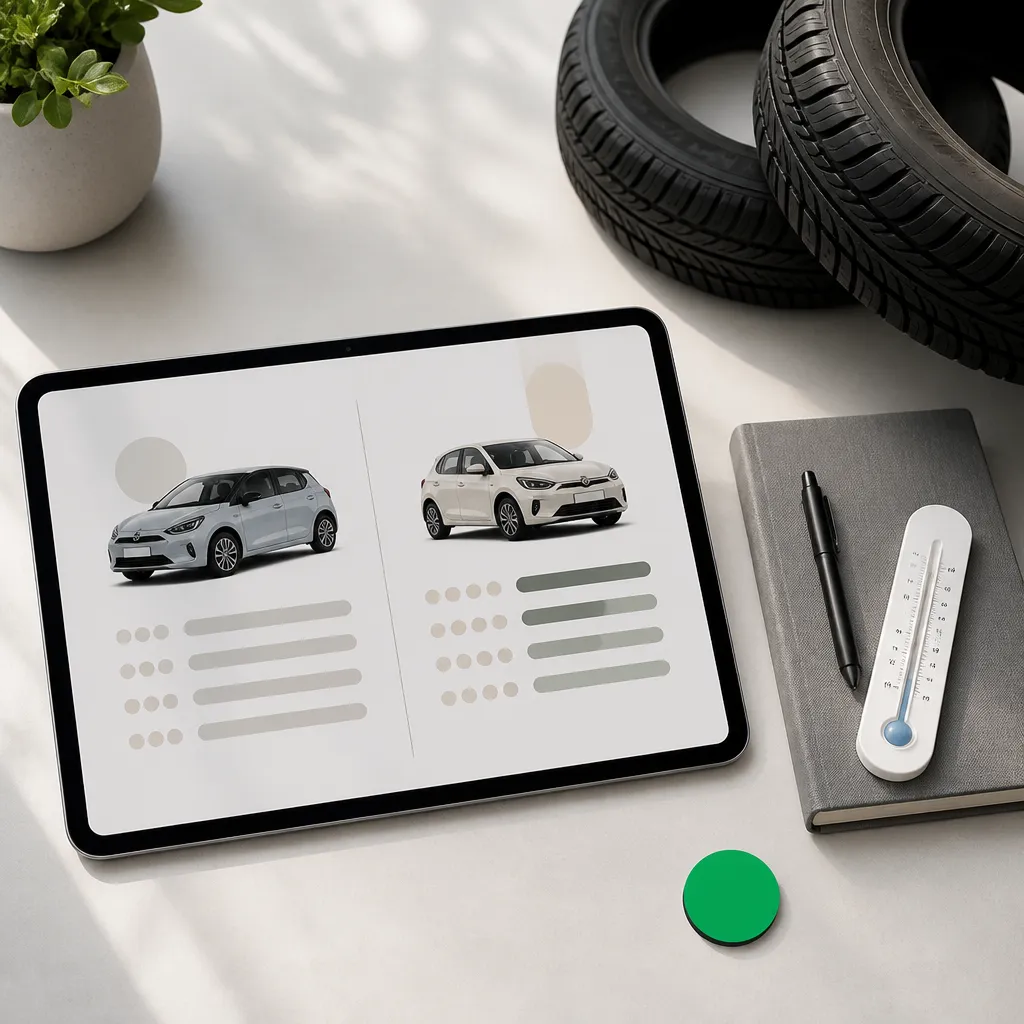
Based on the sources available, the Volvo EX30 is the stronger choice for a northern winter, provided the trim you buy has a confirmed heating method and a battery size that suits your routes. The Countryman Electric's published range shortfall is its main weakness for drivers who cover long distances in cold conditions. The Countryman remains a credible option where dimensions and driving character matter more than range margin.
Choosing by commute pattern
Short urban commutes with a home charger narrow the gap considerably, because the car reaches a warm cabin and a full pack each morning. Long winter highway driving, rural routes with sparse public charging, or unheated parking widen it. In those conditions, the EX30 is the safer assumption, subject to the trim checks below.
What to verify before ordering
Confirm the heating method, battery size and tyre fitment for the exact trim, not the model family. Then model your own winter routes with Wise EV's Real-world Range Analysis and Ownership Cost Calculator, using your own consumption assumptions rather than a single headline range. The Wise EV comparison platform also offers side-by-side data for other compact EVs on the same criteria.
Frequently Asked Questions
Does every Volvo EX30 have a heat pump?
Not on the information used here. Heating method varies by trim and market, so confirm it on Volvo's official EX30 specifications page for your country and in writing from the retailer before ordering.
Is the Mini Countryman Electric worse than the EX30 in winter?
A Car and Driver comparison note says the Countryman Electric falls short of rivals on electric range. Cold weather reduces range on both cars, so the practical question is how large the gap is on your routes after heating and tyre losses.
Does all-wheel drive solve winter driving problems?
All-wheel drive improves traction when accelerating, climbing and pulling away on snow. It does not shorten braking distance, and winter tyres usually have a larger effect on stopping and steering grip than the choice of drivetrain.
How should I plan range for a cold-weather trip?
Plan on the consumption you measure on your own cold-weather routes, not on a single headline figure. Wise EV's real-world range data and Ownership Cost Calculator can help you model winter scenarios before you commit.
Can I rely on a home charger if my garage is unheated?
In most daily use, yes, provided the car is connected and preconditioned before departure. An unheated garage keeps the pack cold overnight, so the first trip of the morning carries the largest penalty, and scheduled warm-up reduces it.
If you have driven either car through a northern winter, share your experience with real-world range, heating and charging, since those details are the ones published sources rarely cover.
We would love your feedback and any insights you would share with others. What perspective would you add?